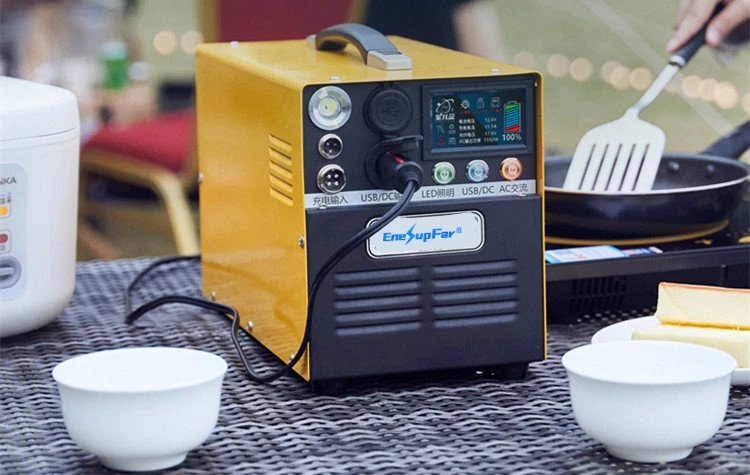
In short, portable power stations use rechargeable batteries to provide off-grid power. They're similar to power banks, but with greater capacity, higher output power, and an AC (wall) outlet, so they can power anything from a cell phone to a home appliance. The lighter model can be taken camping, and the larger model can be used as a home backup power source in the event of a power outage.
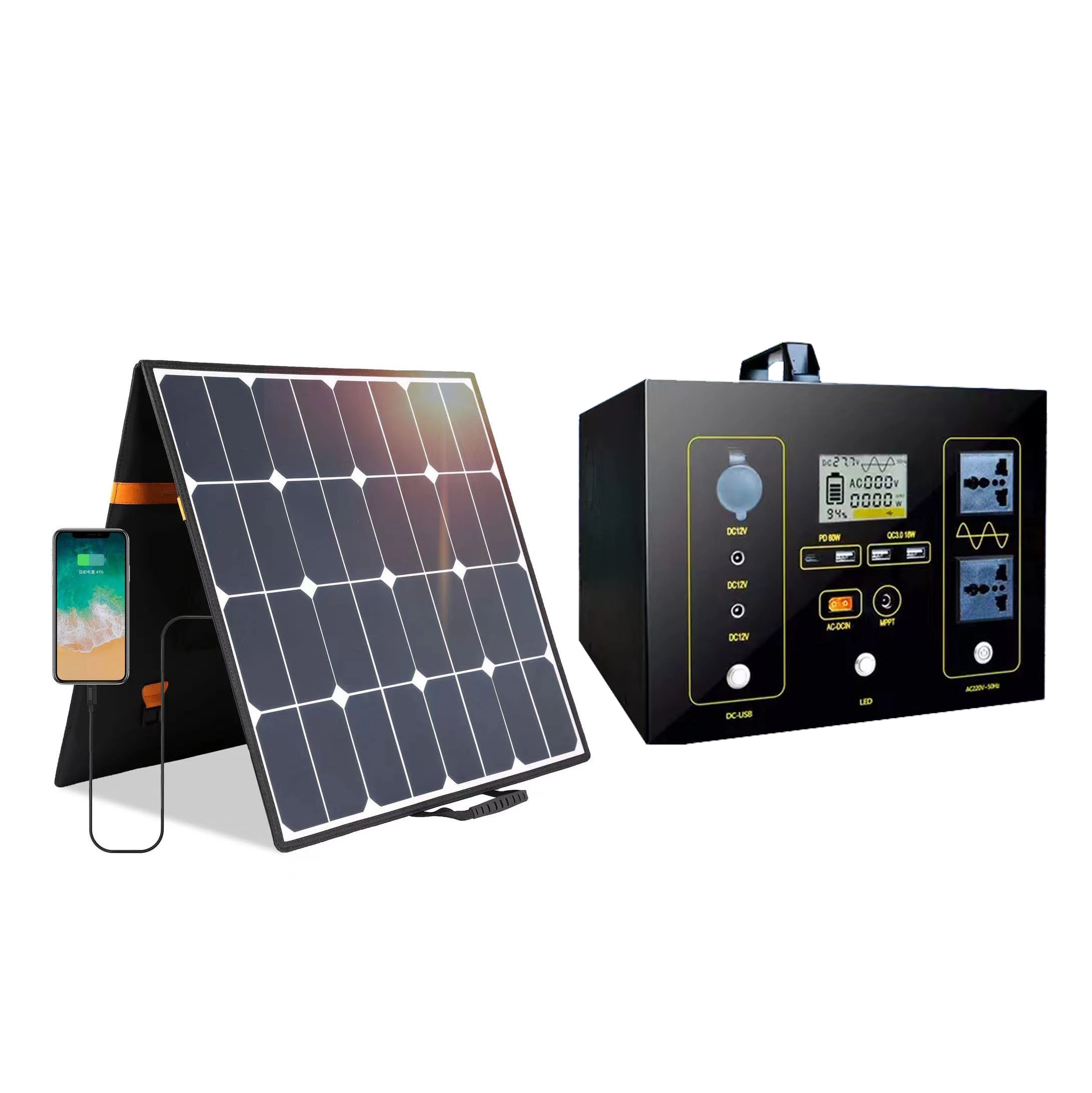
Is a portable power station just one big battery?
Is a bank just a vault? While batteries are the main part of a portable power station, there are many other components and technologies that safely and efficiently send stored energy to your device. They have technology that can speed up charging, screens that show input and output, and even apps for remote energy management.
What is the difference between a solar generator and a portable power station?
Just the name – neither portable power stations nor solar generators generate energy themselves, they just store it so you can use it whenever you need it. The same goes for battery powered generators. The "solar" element simply means that the generator can be connected to a solar panel, but some portable power stations can as well.
How is a portable power station different from a power bank?
Portable power stations have much more capacity and outlets than power banks that typically only have USB outlets. Portable power stations can be used with things that normally plug into a wall or car outlet. This is because they have enough juice to power appliances for hours and can output more power.
What should I pay attention to when choosing a portable power station?
Portability, capacity, longevity, and features make some models suitable for some and not others. The type of battery used will have a major impact on the first three items.
Portability
Battery chemistry has moved away from the lead-acid chemistry found in cars, so it is now lighter and more efficient. We're not yet at the point where your house can run out of battery the size of a phone, but we're getting closer. Today's portable power stations can provide many functions that were not possible a few years ago.
The tradeoff between weight and capacity has gotten to the point where you can pick up a battery that can power your TV for 24 hours. A smaller battery that you can take with you on a hiking trip might be able to power a small appliance for a few hours.
capacity
How much power a portable power station can store is measured in watt-hours (Wh) or kilowatt-hours (kWh), which is one watt of energy used for (you guessed it!) one hour. If you turn on a 50W light bulb for 10 hours, it consumes 500Wh of energy.
So let's say you're throwing a 3-hour outdoor summer party and plan to bring:
• Ice Free Cooler (50W)
• Lamp set (25 watts)
• Slow cooker (75W)
With all the above devices totaling 150 watts, 3 hours will use 450 watt hours. A 450Wh portable power station isn't going to cut it. About 10-20% of the battery storage is lost when powering the device, so a 500Wh-560Wh portable power station is needed to throw the party. That is if you use if to drop from 100% to 0%, which is no-no for battery health. If you're going to keep it at the sweet spot of 80%-20% for maximum life, you'll need a portable power station that draws around 800Wh-900Wh.