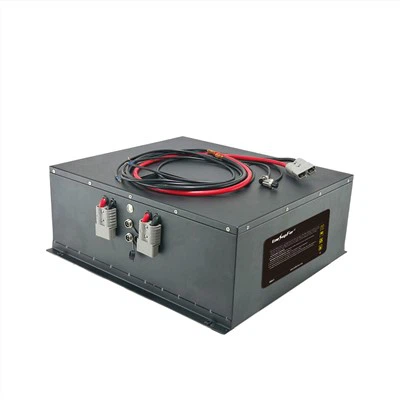
EneSupFar® :Your Trustworthy Other Lithium Ion Battery Supplier
Chaoneng Energy(Yiwu) Co., Ltd. is a green energy enterprise integrating independent research and development, production and sales of lithium-ion battery modules. After years of development, we are at the top of the industry in terms of product performance, technological innovation and all-round services. We have multiple lithium battery pack production lines equipped with advanced production equipment and assembly equipment. Our team has a large number of experienced personnel who can ensure the high quality of the products.
Rich Experience:The company was established in 2022, but started export business in 2005. So far, our technical team has been developing lithium batteries for more than 10 years, while the sales department has been exporting batteries for more than 15 years and lithium batteries for more than 6 years.
Broad Market:Our products have been exported to many countries and have won widespread praise and trust from customers. We also have in-depth cooperation with large lithium battery companies such as CATL, BYD, and Guoxuan High-Tech.
Wide Range of Products:The company mainly produces lithium-ion batteries, including iron phosphate (LiFePO4/LFP) batteries, ternary lithium-ion battery packs (NMC) and LTO lithium batteries. We can also produce lithium batteries in various configurations on demand to provide customers with personalized choices.
Leading Service:We complete the R&D, production, marketing, sales and technical support processes independently. Whether you want to buy batteries of any shape or material, or battery packs of different structures and sizes, you just need to send your requirements via email and we can customize the product for you, and we also accept OEM customization.
Related Product Introduction
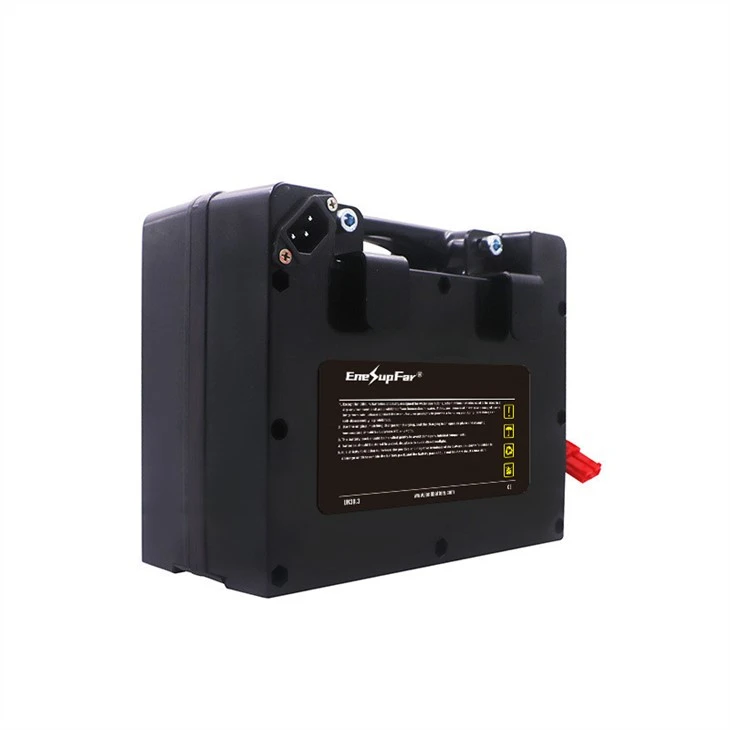
Lithium Ion Battery for Electric Mobility Scooter
The Lithium Ion Battery for Electric Mobility Scooter have higher energy density than standard lead-acid batteries. This means they can store more energy, increasing the scooter's range and allowing longer use between charges. Secondly, its rated voltage is 24V, and its rated capacity is 100Ah. More importantly, its maximum continuous discharge current is 50A. Finally, you can customize the material and size of our battery cases and battery cells.
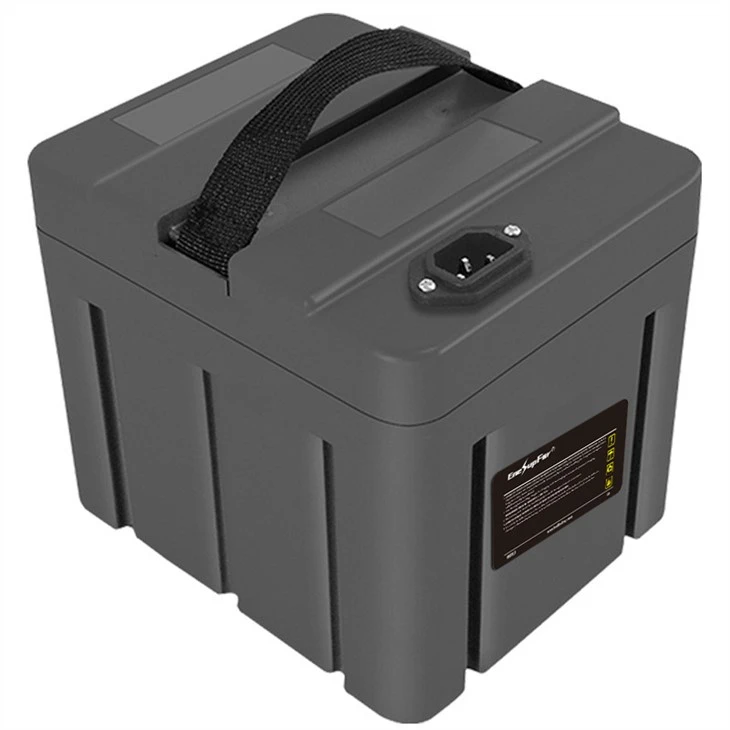
The 30ah scooter Lithium Battery is a commonly used battery for electric scooters. Secondly, because our products are chemically stable and resistant to degradation, they have a longer service life than other batteries. This means users can enjoy a longer lifespan and fewer replacements, reducing the cost of owning and maintaining an electric scooter. Finally, our products can be used in electric bicycles, electric scooters, electric motorcycles, etc.
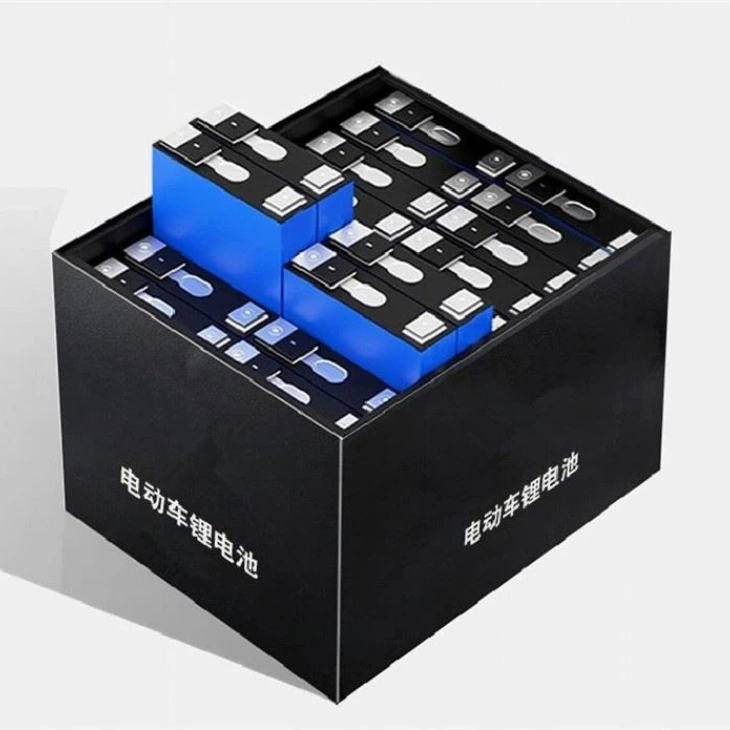
Motorcycle Auto Starting Battery
The Motorcycle Auto Starting Battery is key components that provide electrical energy to start motorcycle engines. It is specifically designed to withstand the high starting current required to start a motorcycle engine and provide the power needed to operate various electronic functions. Secondly, our products are lead-acid battery designs, and lead-acid batteries are stable and reliable. Finally, our product has a rectangular shape that easily fits into a motorcycle's battery box.
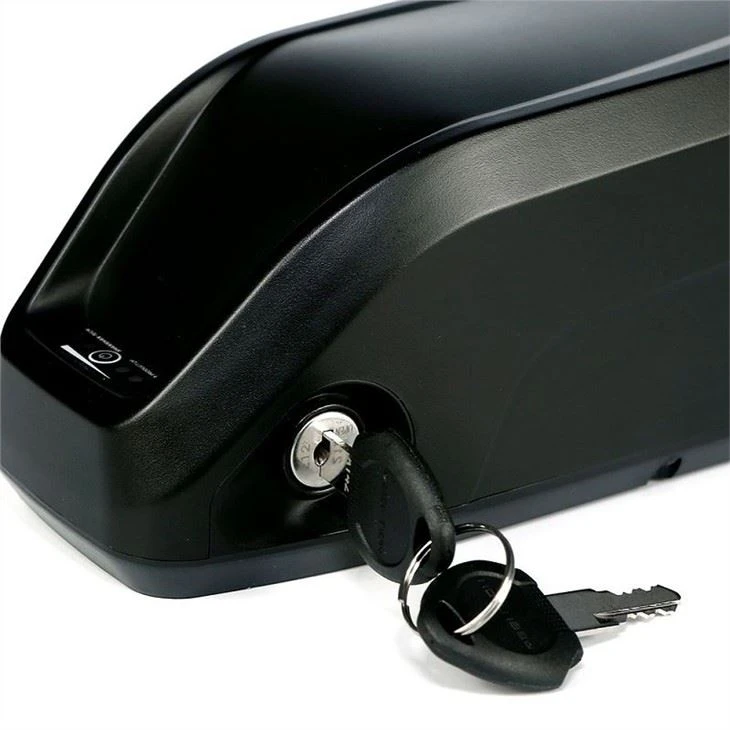
Li Ion Battery Pack For E Bike
The Li Ion Battery Pack for E Bike consists of individual cells arranged in a row. The advantage is that it can provide long-lasting power, significantly extending riding time and distance. Secondly, our products can be designed and customized according to different needs. Due to its high plasticity, it can be modified according to the type, purpose, power requirements, and other factors of the electric bicycle. Finally, our charge current is 1.5A and our charge termination voltage is 42V.
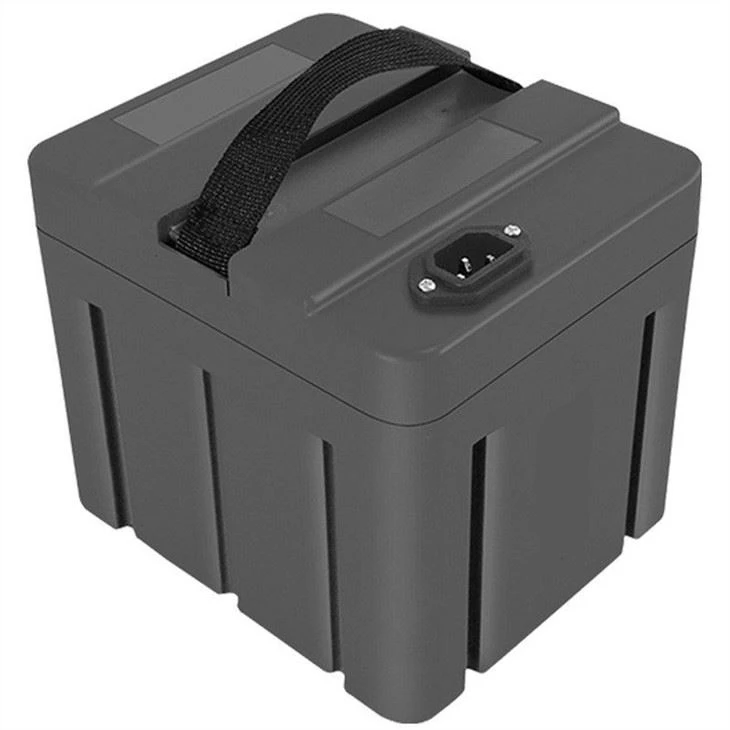
Electric Scooter Lithium Battery
This Electric Scooter Lithium Battery is iron case,which is strong protection and can be make into different sizes,generaly we generally use NMC 18650 Li ion cells with 2.5ah/2.6ah/2.9ah capacity or LFP li ion battery cell 3.2V4AH,it can be customized in voltage and capacity.
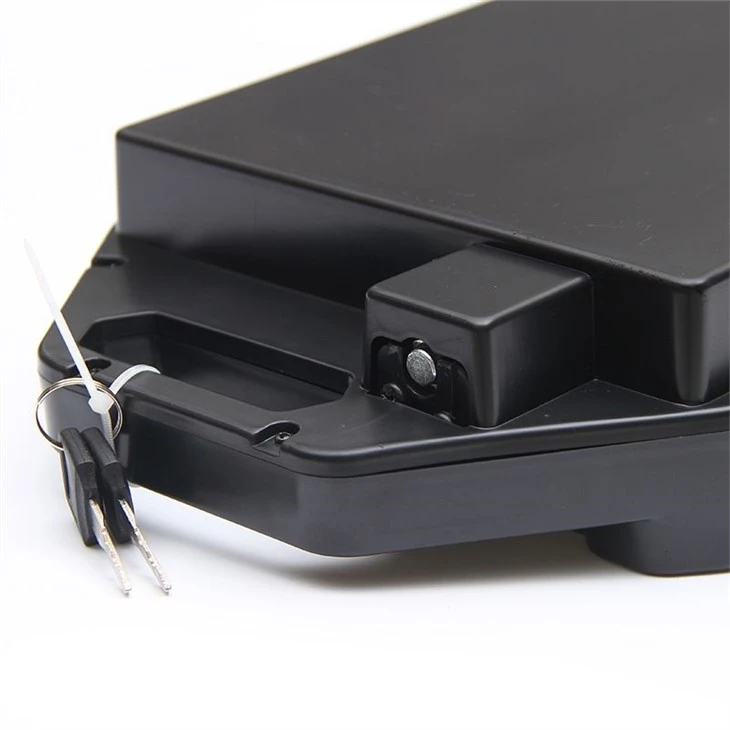
Lithium Battery For Citycoco Scooter
Our products have a high energy density, which means they can store a large amount of energy in a small space. Secondly, Lithium Battery for Citycoco Scooter is relatively safer during use. When the battery is short-circuited or overcharged, the lithium battery's self-extinguishing internal fuse function will automatically cut off power to prevent accidents such as fire. Finally, our relevant voltage is 48V, and the charge termination voltage is 54.6V.
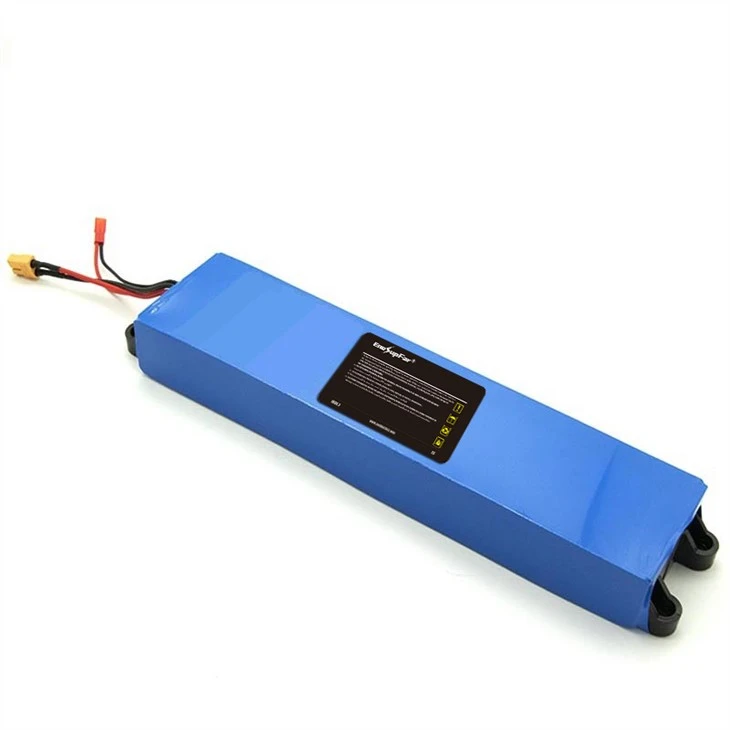
Electric Kick Scooter Lithium Battery
The Electric Kick Scooter Lithium Battery is the first choice for electric scooters due to their high energy density, which means they can store more energy in a smaller space than other types of batteries. This makes them ideal for small portable devices. Secondly, the size of our products is usually 250W to 500W, and larger batteries can provide more power and a longer cruising range. Finally, these batteries are typically charged using a regular wall outlet and can be fully charged in a few hours.
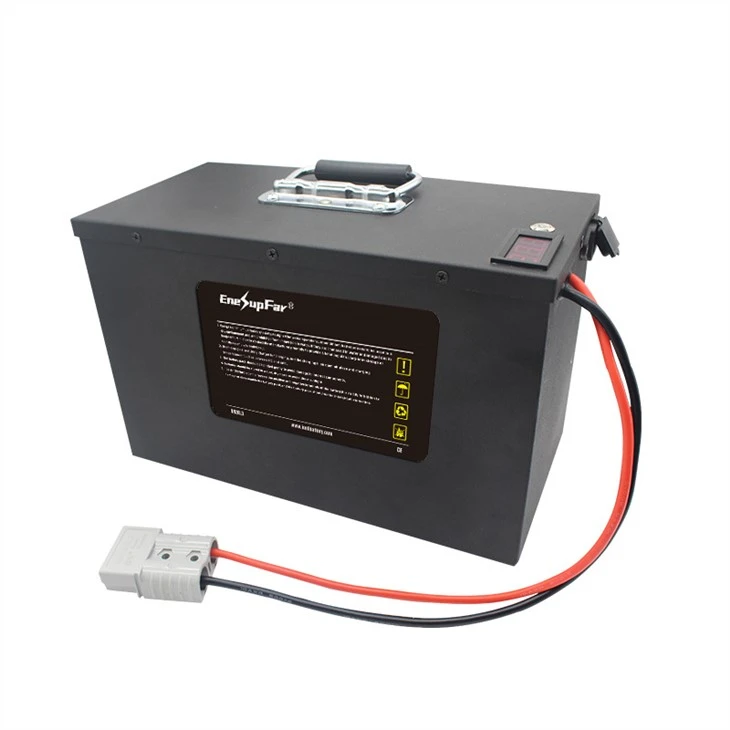
Lithium Battery For Passenger Electric Tricycle
The Lithium Battery for Passenger Electric Tricycle have high discharge rates and can effectively power electric tricycles. With this battery, merchants can expect their tricycle motors to run smoothly, provide greater acceleration, and consume less energy. Secondly, our rated voltage is 60V, and the rated capacity is 50Ah. And the maximum continuous discharge current is 75A. Finally, you can also customize the battery cells or battery box.
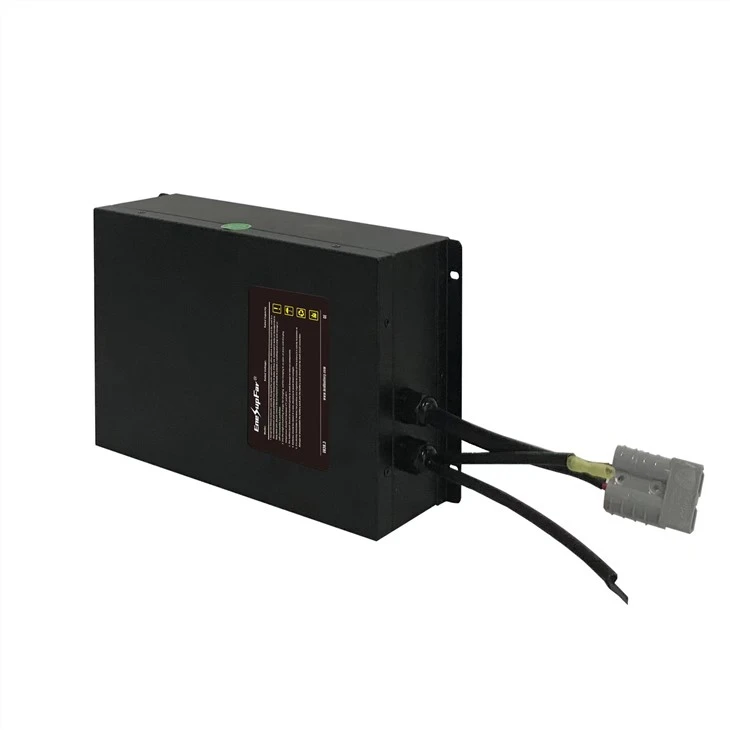
Lithium Battery For Home Electric Tricycle
The Lithium Battery for Home Electric Tricycle is able to provide stable power output, which means that the motor of the home electric tricycle will run at a stable rate without significant drops in power output. This results in a smoother, more comfortable ride, especially over long distances. Secondly, our maximum continuous discharge current is 30A, and the charging current is 3A-4A. Finally, you can customize the size and material of our battery cases.
A Recreational Vehicle(RV) Battery is a battery specifically designed to power the electrical components of an RV or motorhome. These batteries can provide power to appliances, lighting, and other electrical devices in the RV when it is not connected to a power source. They are typically deep cycle batteries, which means they can discharge up to 80% of their capacity without damage, and are available in different voltages and capacities to meet the specific power needs of different types of RVs. They can be recharged using solar panels, generator, or by plugging into an outside power source when available.
Features of Recreational Vehicle(RV) Battery
Light Weight:Your RV is big enough and heavy enough. Lithium batteries are typically half the size and one-third the weight of traditional lead-acid batteries. Reduce vehicle weight and increase speed. Whether you're driving a Class A motor coach or towing a small teardrop with your car, weight is a major factor to consider.
Large Usable Capacity:No matter where your travels take you, lithium batteries are ideal for extending your dry camping time. Directly compared to lead acid, they provide higher usable capacity at the same amp hour rating. With highly sustainable voltage levels, your lithium RV battery delivers 99% of usable capacity.
Fast Charging Time:The internal resistance of lead-acid batteries increases with depth of discharge, which means that the charging algorithm is designed to slowly increase the voltage, thereby increasing the charging time. Lithium batteries can be charged at a higher rate due to their lower internal resistance. That means less time running noisy and carbon-polluting generators to recharge batteries.
Maintenance Free:RV batteries are designed to be maintenance-free. This means they don't require regular maintenance or adding water to the battery. Maintenance-free batteries are sealed and require no special maintenance, so RV owners can focus on traveling rather than worrying about battery performance.
Types of Recreational Vehicle(RV) Battery
Lead-Acid Batteries: Lead-acid batteries are the most popular type of RV battery and have been used for decades. These batteries are inexpensive, reliable, and have a high capacity, making them ideal for powering all the necessary appliances in your RV. Lead-acid batteries are available in two variants: flooded and sealed (or maintenance-free).
Lithium-Ion Batteries: Lithium-ion (Li-ion) batteries are the newest and most advanced type of RV battery on the market. They are expensive but offer many advantages over lead-acid batteries. Li-ion batteries are lightweight, last up to 10 times longer than lead-acid batteries, and have a high discharge rate and long cycle life.Li-ion batteries have a high energy density, which means they can store more energy in a smaller space. This makes them ideal for RVs, which have limited space. They can also discharge 70% to 80% of their energy, whereas lead-acid batteries can only discharge 50%. This means that Li-ion batteries will keep your RV running for longer periods without requiring frequent recharging.
Nickel-Cadmium Batteries: Nickel-cadmium (NiCd) batteries are used in RVs and other vehicles that require a robust power source. They have a high capacity, and their temperature range is suitable for use in harsh environments. NiCd batteries are durable, have a long lifespan, and don't lose their charge quickly.
Nickel-Metal Hydride Batteries: Nickel-Metal Hydride (NiMH) batteries are a slightly less advanced version of Li-ion batteries. They have a lower energy density and lower discharge rate but are still an excellent option for RVs that don't require a high load capacity. NiMH batteries are more environmentally friendly than NiCd batteries and have a long cycle life.
Types of RV Batteries
Before deciding which type of battery to buy, you must first understand the three types available in the market. These are: Lead Acid Batteries: This is the standard battery type used in almost all RVs. They are affordable and reliable. Lithium-ion batteries: These batteries are more expensive but perform better than lead-acid batteries. They last longer and charge faster. Gel Battery: A lead-acid battery that uses gel to absorb the electrolyte. They are maintenance-free but not as powerful as other types of batteries.
Battery Capacity
Battery capacity refers to the amount of energy a battery can store. It is measured in Ampere Hours (Ah). The higher the capacity, the longer the battery can power your appliances. When choosing an RV battery, you should consider your power requirements and how long you will be using your RV. For example, if you plan to use your RV for an extended period of time, you will need a larger capacity battery.
Battery Voltage
Most RVs use a 12-volt electrical system. This means you need a 12 volt battery. However, if your RV has other electrical requirements, you may need a battery of a different voltage. Be sure to check your RV's owner's manual for this information.
Battery Size and Weight
RV batteries come in different sizes and weights. Generally speaking, the larger the battery, the greater the capacity. However, this also means it will be heavier and take up more space in your RV. You have to choose the battery size that fits your RV battery box and weight.
Maintenance Requirements
Some RV batteries require regular maintenance, such as adding water or checking acidity levels. Other batteries, such as gel batteries, are maintenance-free. If you don't want to spend time maintaining your RV battery, you should choose a maintenance-free option.
Cost
The cost of RV batteries varies by type, capacity, and brand. Lithium-ion batteries are the most expensive, followed by lead-acid and gel batteries. However, lithium-ion batteries have a longer lifespan and better performance than other battery types, which can make them more cost-effective in the long run.
Brand Reputation
There are many different brands of RV batteries on the market. It is crucial to choose a reputable brand with a proven track record of producing high-quality batteries. Reading online reviews and customer feedback can help you choose a reliable brand.
How to Maintain Recreational Vehicle(RV) Battery
Clean the Battery:Batteries should be inspected regularly for any accumulated debris or corrosion. The buildup of dirt, debris, or corrosion can shorten the life of your battery and impair its performance. Therefore, it is very important to clean the battery regularly. Use a wire brush or battery cleaning brush and a mixture of baking soda and water to scrub away any corrosion or dirt. After scrubbing, rinse the battery with clean water and dry it with a towel.
Check Battery Fluid Level:Battery fluid levels should be checked regularly. If the battery fluid level is low, add distilled water to the battery. Make sure not to add too much as this may damage the battery.
Charge the Battery If Necessary:If the battery has been heavily used, recharge it. When you are not using your RV for an extended period of time, be sure to remove the battery and store it in a cool, dry environment. If not used, the battery may lose charge over time. Therefore, make sure to charge the battery before reusing it.
Avoid Overcharging Your Battery:Overcharging a battery can damage the battery and shorten its life. Make sure to only charge the battery to the recommended capacity.
Check Electrical System:Check the electrical system regularly for any faults or damage. Incorrect wiring or damage to the electrical system can damage the battery or other electrical components. Make sure any electrical issues are addressed promptly.
Store Batteries Correctly:If you won't be using your RV for a while, remove the battery and store it in a safe place. Battery storage is very important, so choosing the right storage location is crucial. If possible, store it in a cool, dry place and avoid exposing it to direct sunlight.
Test Battery:Check battery voltage regularly. A battery that isn't working properly won't be able to provide enough voltage. Testing your battery will help you detect problems before they become serious.
Applications of Recreational Vehicle(RV) Battery
Power Electrical Appliances
One of the most common uses for RV batteries is to power appliances such as refrigerators, ovens, and microwaves. RV batteries are designed to provide stable power, which is perfect for running these electrical devices. This is especially helpful when you're camping in a remote area where traditional power sources are not available.
Charge Electronic Devices
Another common application for RV batteries is charging electronic devices. Many RVs are equipped with USB or other charging ports that can be used to charge phones, tablets, and other electronic devices. This is especially useful when you're on a long trip and need to charge your device.
Operate Heating and Air Conditioning Systems
RV batteries are also used to power heating and air conditioning systems. These systems use a lot of electricity, and having a reliable RV battery is crucial to keeping them running. By using RV batteries, you can stay comfortable in your RV no matter what the weather is like outside.
Run Entertainment System
Many RVs come equipped with entertainment systems such as televisions and sound systems. These systems require electricity to operate, and RV batteries provide reliable energy. By using RV batteries, you can enjoy your favorite movies, TV shows, and music anytime, anywhere.

Electrolyte Solution
An electrolyte solution is a mixture of sulfuric acid and water used to create the chemical reactions needed to create an electrical charge. The solution is stored in each cell of the battery and separated by separators to prevent the plates from touching. The electrolyte solution is a critical component of the battery and must be maintained at appropriate levels to prevent damage to the battery plates.
Partition
A separator is a thin film that separates the panels and prevents them from touching. The separators are usually made of rubber or plastic and are designed to be porous, allowing electrolyte solution to pass through while keeping the plates separated.
Exhaust Cover
Vent caps are small plastic covers that sit on top of your RV battery and are designed to allow gases to escape from the battery while preventing any contaminants from entering. The vent cover is a critical safety feature of the battery and must be kept clean and unobstructed.
Internal Components
Inside the battery case are various internal components, including the battery plates, electrolyte, separators, and vent caps. Together, these components create an electric charge that powers the various electrical systems on your RV.
Parts of Recreational Vehicle(RV) Battery
Shell
The casing of an RV battery is usually made of plastic or hard rubber and is designed to protect the internal components from damage and exposure to the elements. The case is also an important component that holds the battery in place and prevents leaks.
Terminal
The terminals on an RV battery are the connection points that allow the battery to be connected to the RV's electrical system. There are two terminals on the battery: the positive terminal and the negative terminal. The positive terminal is usually marked with a plus sign, while the negative terminal is marked with a minus sign.
Battery Plates
Inside the casing of an RV battery are the battery plates, which are made of lead and lead oxide. These plates are designed to react with the sulfuric acid electrolyte solution within the battery to create a charge. There are typically six plates in a 12-volt RV battery, three negative and three positive.
How to Install Recreational Vehicle(RV) Battery
Choose the Right Battery
The first step is to choose the right battery for your RV. It would help if you chose a deep-cycle battery, which can withstand regular charging and discharging. You can select sealed or non-sealed batteries depending on your preference. Make sure you get a battery with enough power to meet your RV's energy needs.
Turn Off the RV's Power
Before you start, make sure the RV's power is turned off. You'll need to disconnect the RV's negative terminal from the battery's negative terminal.
Remove the Old Battery
If you already have an old battery installed, you need to remove it. Use a wrench to loosen the nuts on the terminals, then lift the battery out of its tray. Be careful not to spill any battery acid during the removal process.
Clean the Battery Tray
Once the battery is removed, take the time to clean the battery tray. Remove any debris, dirt, or rust that may have accumulated. Once the tray is clean, you can install the new battery.
Install the New Battery
Place the new battery in its tray, making sure it's secure. Connect the positive cable to the positive terminal on the battery, then connect the negative cable to the negative terminal. Use a wrench to tighten the nuts on the terminals.
Turn On the RV's Power
Finally, turn on the power to the RV. Your new battery should power all of your appliances and electrical systems. Make sure to monitor the battery's charge level regularly and charge it when necessary.
How to Use Recreational Vehicle(RV) Battery
Learn About Battery Types and Characteristics
The first thing you need to know before buying RV batteries is to understand the different types of batteries and their characteristics. Generally speaking, there are two main types of batteries: lead-acid and lithium-ion. Lead-acid batteries are the most common type and the cheapest. They convert chemical energy into electrical energy through chemical reactions, which are then stored in batteries. You can purchase lead-acid batteries at your local auto parts store or online. Lithium-ion batteries are another type of battery, they are relatively new technology but are lighter, smaller and more durable than lead-acid batteries. They are also more expensive than lead-acid batteries. Lithium-ion batteries can be purchased at auto parts stores or online.
Properly Install and Maintain Batteries
It is very important to install the battery correctly. Always follow the manufacturer's instructions to ensure proper installation. When installing the battery, make sure it is placed correctly and connected with good cables so the battery can stay charged while driving. Also pay attention to battery maintenance. You need to regularly check the level of your battery and make sure the fluid level is correct. If the battery's fluid level is low, use distilled water to add water, but do not add more water.
Charge the Battery Before Use
Before using your car battery, you need to charge it. You can charge using an external disposable charger or install solar panels. When installing a solar panel or external charger, follow the manufacturer's instructions.
Use Batteries Efficiently
To get the most out of your car battery, you need to avoid turning on power-hungry devices when you don't have to. These devices include lights, televisions, air conditioners, and more. To ensure that the battery can continuously supply power, when turning on the device, try to use them with sufficient power capacity. If the battery is low, charge it via a solar panel or external charger as soon as possible.
Long-Term Battery Storage
If you need to store your car battery for a long time, you need to connect the battery to the charger and charge it regularly. If the charger is not equipped with a battery maintenance mode, the battery should be fully charged every three months or so. This helps prevent natural discharge of the battery and maintains its long life.
Clean the Battery:Before storing the battery, you need to clean it thoroughly. This includes cleaning any debris, dust, or dirt that has accumulated on the battery. You can use baking soda and water to clean the battery terminals thoroughly. It's important to wear gloves and eye protection when cleaning the battery.
Disconnect the Battery:The next step is to disconnect the battery from the RV. It's important to disconnect the negative cable first, followed by the positive cable. This will prevent any electrical shocks or sparks.
Charge the Battery:After disconnecting the battery, it's time to charge it. You can use a battery charger to charge the battery. A deep cycle battery charger is recommended for RV batteries. Make sure the charger is compatible with the type of battery you have. Charge the battery until it's fully charged.
Remove the Battery:Once the battery is fully charged, you can remove it from the RV. It's important to store the battery in a cool, dry place. Avoid storing the battery in direct sunlight or in a damp area.
Check the Battery Regularly:While the battery is in storage, it's important to check it regularly. Check the voltage and ensure it's holding a charge. If the battery loses its charge, recharge it using a battery charger. You should also check the terminals for any signs of corrosion and clean them if necessary.
Reinstall the Battery:When it's time to use the RV again, reinstall the battery in the RV. Reconnect the positive cable first, followed by the negative cable. Make sure the battery is securely fastened in the RV.
Certificate

Frequently Asked Questions
Hot Tags: recreational vehicle(rv) battery, China recreational vehicle(rv) battery manufacturers, factory