


About us
China electric vehicle li-ion battery supplier
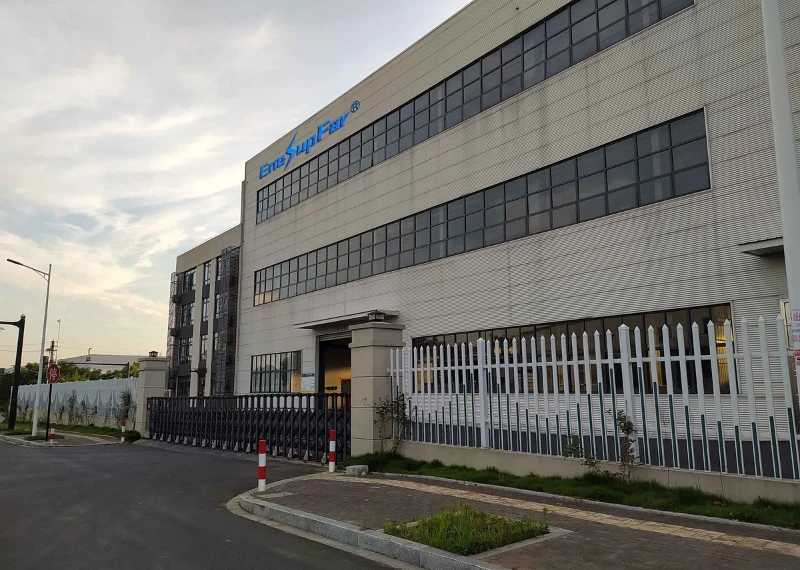
Yiwu Ainengfa Technology Co., Ltd. is a national green energy enterprise, specializing in independent research and development, production and sales services of lithium-ion battery modules. The company consists of large number of experienced workers and multiple production equipment for lithium battery pack production, aging, and subassembly. At the same time, we have also built a large-scale battery testing center, whose advanced testing equipment is the core equipment used to develop safe batteries. We ensure the quality of every (offline) product through exquisite craftsmanship and scientific management processes.
Why choose us?

Rich experience
The company established in 2022, but started export business in 2005. Till now, our technical team has been developing lithium battery for more than 10 years, while the sales department exporting battery for over 15 years, lithium battery more than 6 years.
Broad market
Our products have been exported to many countries and have won widespread praise and trust from customers. We also have in-depth cooperation with large lithium battery enterprises such as Ningde times, BYD and GuoXuan high tech.
Wide product range
The company mainly produces lithium-ion batteries, including iron phosphate (LiFePO4/LFP) batteries, ternary lithium-ion battery packs (NMC) and LTO lithium batteries. We can also produce lithium batteries in various configurations on demand, providing customers with personalized options.
Leading service
We independently complete the R&D, production, marketing, sales, and technical support processes. Whether you want to buy battery cells of any shape or material, or battery packs of different structures and sizes, you just need to send your requirements via email and we can customize the product for you.


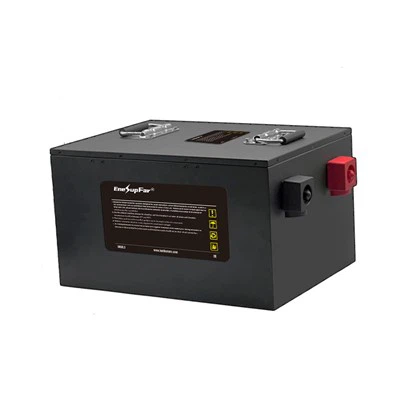
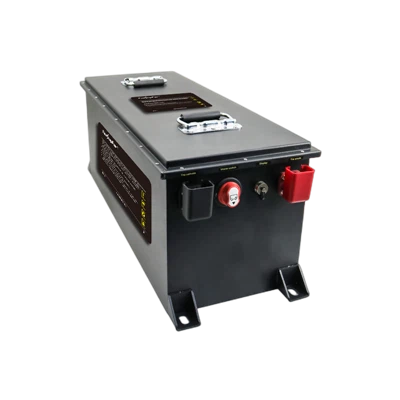
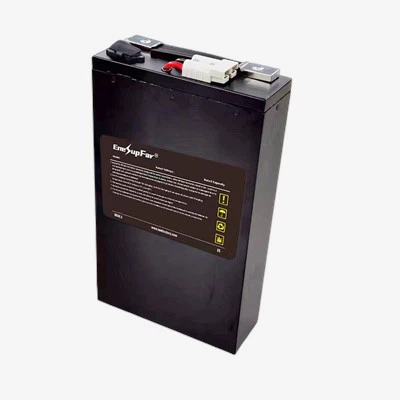
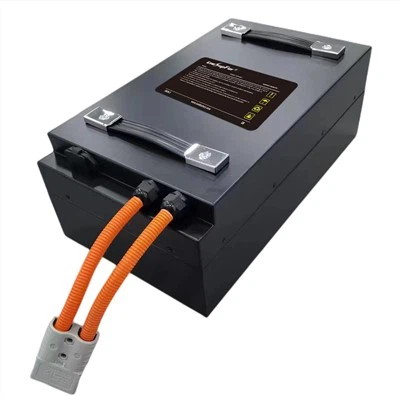
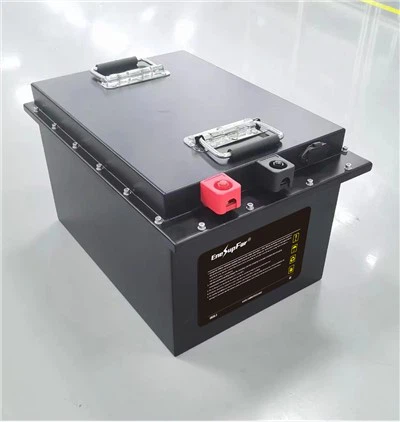

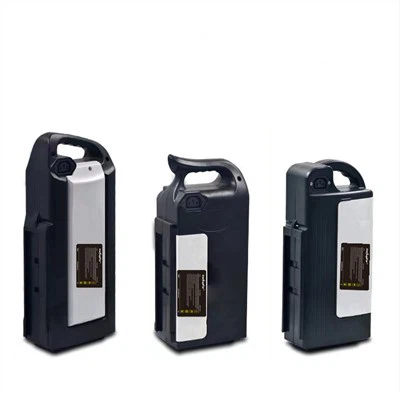


Features of Electric Vehicle Lithium Ion Battery
Good stability
Our products use surface coating technology to wrap a layer of manganese dioxide material on the surface of the battery. The material improves the thermal stability of the cathode material and reduce the breakdown of the electric motorcycle during driving.
High security
We adopt a strict BMS current management system that can monitor the temperature, voltage, and current of the entire circuit in real time to improve equipment safety. Once an abnormality occurs, it can sound an alarm and immediately cut off the power supply to protect the safety of the battery and the user.
Efficient
These lithium batteries have no memory effect and do not need to be fully charged before use, nor do they need to be fully discharged before recharging. It is highly efficient in energy conversion, allowing to supply power for your electric vehicle at all times.
Long lasting
Using lithium ion as the material, these batteries are lightweight and have higher capacity than other batteries of the same weight. It can be charged and discharged up to 1,000 times, and some models can be charged and discharged up to 1,500 times, with a service life of 5 to 7 years.
Low maintenance
The battery pack does not require replenishing acid or water while in use, or to be fully discharged on a regular basis. In addition, its modular design makes its various components easy to disassemble and repair, and allows for quick and flexible adjustments after installation.
Reliable
The battery pack is made from lithium-ion cells and has a charging efficiency of nearly 100%, compared to 85% for most lead-acid batteries. While capacity varies by battery model, they have significantly higher energy density than other batteries, which stores more energy in the same volume.
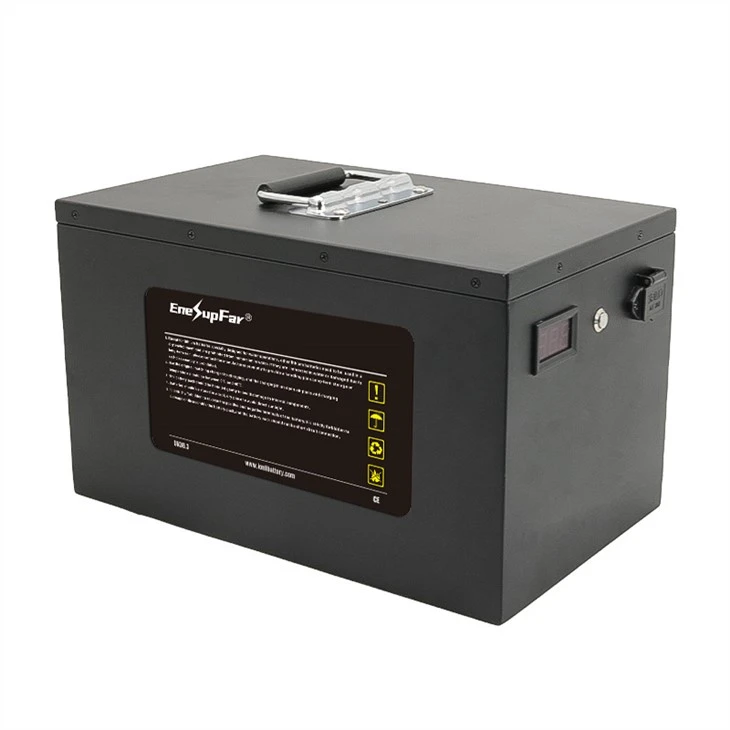
Application scenarios:
-
For electric vehicles(two wheel,three wheel,four wheel,mini bus)
-
For electric machines(forklift,washing machine,lawn machine,sprayer...)
-
For electric tools(all kinds of electric tools)
-
For Energy Solar System
-
For communication data base
-
As portable power supply bank
-
For Battery Energy Storage System projects
Our service
pre-sale service:
Product display: We provide customers with product display so that customers can better understand and experience the product.
Product consultation and answers: For questions about product use, functions, specifications, etc., if you send inquiries during daytime hours in China, we promptly respond to your inquiries within 1-3 hours; if it's at night, we respond to your inquiry within 12 hours.
Customized design:We provide professional product design for customers' customized needs.
Sales service:
Confirm the order: After the order is confirmed, our sales will carefully check your order information with the engineer to confirm the specifications, production process and special technical requirements of the product you ordered.
Tracking logistics: We track the production progress and logistics situation of orders in real time, and answer your questions in professional and easy-to-understand language.
After-sales service:
Maintenance: For products with problems, we provide timely online technical guidance and warranty services.
Customer feedback: We always pay attention to customer feedback, provide timely solutions, and listen carefully to customer suggestions.
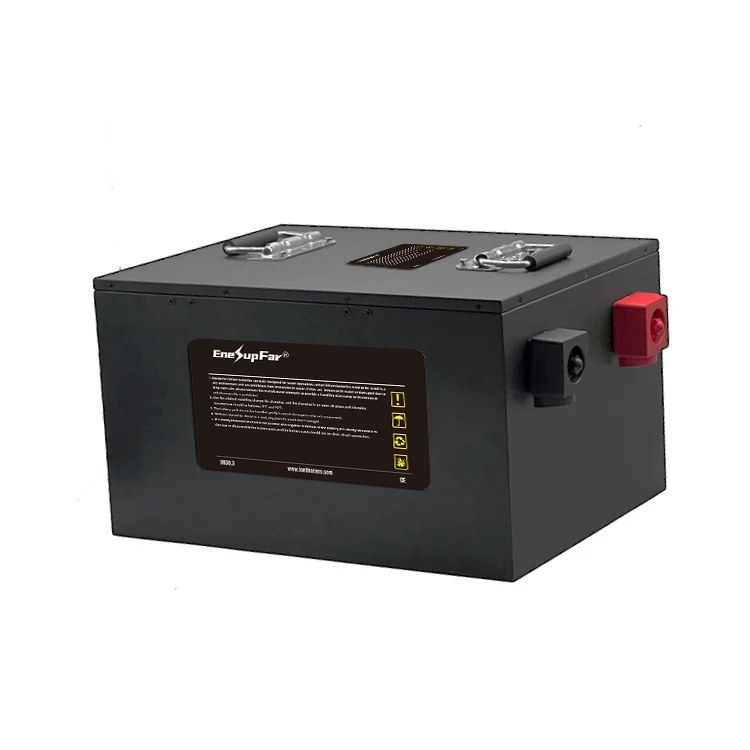
Nickel-Cobalt-Aluminium (NCA) and Nickel-Manganese-Cobalt (NMC) batteries
Nickel-Cobalt-Aluminium (NCA) and Nickel-Manganese-Cobalt (NMC) batteries are among the predominant choices for high-performance electric vehicles such as the Tesla Model S and Model X (with NCA batteries) or the BMW iX3 and Volvo EX30 (with NMC batteries).
Lithium-Iron-Phosphate Batteries(LFP)
Lithium-iron-phosphate (LFP) batteries are distinguished by their chemical stability and relatively low cost. With no cobalt in their composition, they represent a more durable and economical alternative to NCA and NMC batteries.
Nickel-Metal Hydride (NiMH) batteries
Nickel-Metal Hydride (NiMH) batteries have long been a reliable option for electric and hybrid vehicles, offering a good balance between cost, performance and environmental friendliness. Although supplanted in some areas by newer technologies, they remain relevant in certain applications.
Features
● Modularized design and pefectly compatible to the electric bicycles which are using traditional VRLA batteries
● 'Green" and environment-friendly, no pollution to the environment during production and normal usage
● Stable structure and simplified production process enables mass production and easy maintenance
● Completely new protection design of water-proof, fire-proof, shock-resistance enable high safety
● Professional protection module and BMS ensures the battery pack to be protected perfectly
● High weight and measurement specific energy ensures the battery pack extremely long-voyage ability
● Super long life supported by innovative technologies, high quality material and strict manufacturing control
|
Battery Model No. |
BN4820LK |
|
|
Material |
MnNiCo Composite Material + LiMn2O4 |
|
|
Nominal Voltage (V) |
48V |
|
|
Nominal Capacity (C2, 25℃ ) |
20Ah |
|
|
Battery Pack Dimension (mm) |
290mm X 190mm X 80mm (L X W X H) |
|
|
Nominal Weight (Kg) |
7.1Kgs ± 0.1 |
|
|
Charge Limited Voltage (V) |
54.6V |
|
|
Continuous Charge Current (A) |
4A |
|
|
Maximum Charge Current (A) |
10A |
|
|
Charging Mode (Constant Current/Constant Voltage) |
4A X 6.5h |
|
|
Discharge Cut-off Voltage (V) |
≥ 39V |
|
|
Continuous Discharge Current (A) |
≤ 20A |
|
|
Maximum Continuous Discharge Current (A) |
≤ 35A |
|
|
Cycle Life at 100% D.O.D. |
≥ 800 Cycles |
|
|
Charge Port / Discharge Port |
Cannon Plug / 3 Square Pin Plug : N-Positive, L-Negative |
|
|
Capacity Retention Rate at 0℃ |
≥ 90% |
|
|
Self-Discharge Rate (25℃) |
≤ 3% per month |
|
|
Temperature Characteristic |
Charging |
0℃ - 40℃ |
|
Discharging |
-20℃ - 40℃ |
|
|
Storage |
-20℃ - 40℃ |
|
Testing Condition,Method And Electric Performance
|
1) Unless otherwise specified, all tests are conducted at ambient temperature 23 ± 2℃, relative humidity 25%-85% and atomspheric pressure 80kPa - 106kPa |
||
|
2) Testing Devices |
||
|
A) The accuracy of DC Voltage Meter shall not less than Class 0.5, and the internal resistance of Voltage Meter shall not less than 1KΩ/V |
||
|
B) The accuracy of DC Current Meter shall not less than Class 0.5 |
||
|
C) The Temperature Meter shall has enough measuring range, and scale interval shall not bigger than 1℃ |
||
|
D) The Timer for measuring time shall be with hour, minute and second, and the accuracy shall at least ±1% |
||
|
3) Standard Charging for Battery Pack |
||
|
Charging the battery pack with DC stabilized power supply or charger at charging mode - Constant Current and Constant Voltage (CC/CV). The charge limited Voltage is 54.6V and charge current is 4A (0.2C) until the current dropped to 0.04A (0.02C) |
||
|
4) Standard Discharging for Battery Pack |
||
|
Charge the battery pack as per Item 3), and then discharge the battery pack with 10A (0.5C) to the battery over-discharge protection voltage. |
||
|
5) Lithium Ion Battery Pack Capacity Test |
||
|
Discharge the battery pack as per item 4), and recording discharge time (hours), capacity (Ah) = 10A (0.5C) * discharge time (hours) |
||
|
6) Electro-Chemical Performance |
||
|
Test Item |
Test Method |
Technical Requirement |
|
Normal Temperature Discharged Capacity |
Battery Pack is charged as per Item 3), and then discharged as per Item 4), record the battery pack's capacity |
≥100% Nominal Capacity |
|
-20℃ Discharged Capacity |
Battery Pack is charged as per Item 3), and then stabilizing at low temperature cabinet at -20±2℃ for 6 hours, and then discharge the battery pack as per Item 4), record the battery pack's capacity. |
≥85% Nominal Capacity |
|
55℃ Discharged Capacity |
Battery Pack is charged as per Item 3), and then stabilizing at high temperature cabinet at 55±2℃ for 6 hours, and then discharge the battery pack as per Item 4), record the battery pack's capacity. |
≥95% Nominal Capacity |
|
Charge Retention Capability |
Battery Pack is charged as per Item 3), and then leave it for 28 days at normal temperature or for 7 days at 55℃, then stabilizing for 5 hours at normal temperature, then discharge battery pack as per Item 4), record the battery pack's capacity. |
Charge Retention rate ≥95% |
|
Cycle Life |
Battery Pack is charged as per Item 3), and then stabilizing 10 minutes, and then discharge as per Item 4). Repeat the cycles. In every 25 cycles, check the battery pack's capacity as per standard discharge, when the battery pack's capacity is less than 60%, test stopped. |
≥ 800 cycles |
Battery Pack Storage and Transportation
1) Storage
If the battery pack has to be stored for a long period (1 months above), the battery pack must have retained 50% of the capacity before storage (recharge the battery pack by equipped charger for 2-3 hours after each fully discharge), and must stored at dry, ventilated place. The battery pack must have been recharged for 1-2 hours in every 3 months.
Battery pack and charger must be stored at clean, dry and well-ventilated warehouse, and they must be kept away from corrosive material, source of iginition and heat.
Battery pack shall be installed vertically and "upside down" is not allowed, and mechanical impulse and heavy load pressure shall be prevented.
2) Transportation
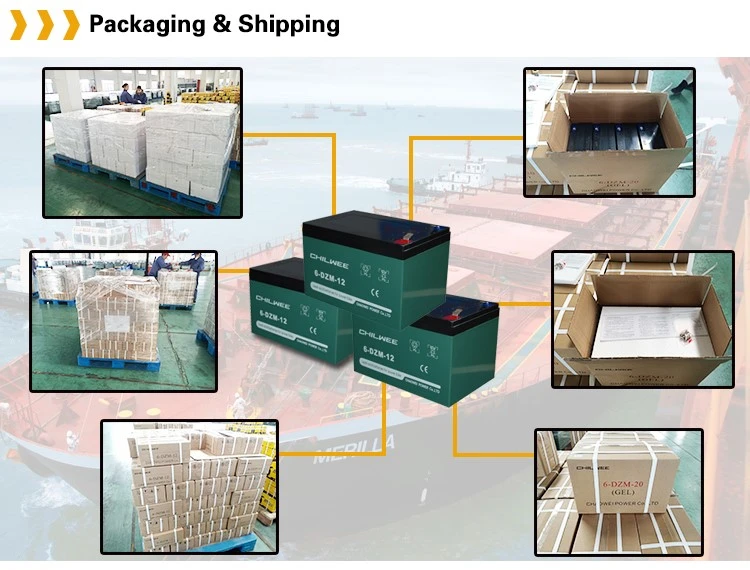
Battery pack and charger must be packed well before sending for shipment. The packed goods can be shipped by road, railway, vessel, and airplane. The SOC (state of charge) of the battery pack shall be at between 40-60% during transportation, and violent mechanical pulse, sun exposure, rains, upside down are prohibited during transportation.
The battery pack must be well treated during uploading and unloading.
Our Services
We have already been distributed in all over world, and local service facilities are being deployed in each region. committed to provide complete services including technology training, warranty replacement service, fault analysis trouble-shooting, battery maintenance service and battery disposal service, etc.
Our Certificate
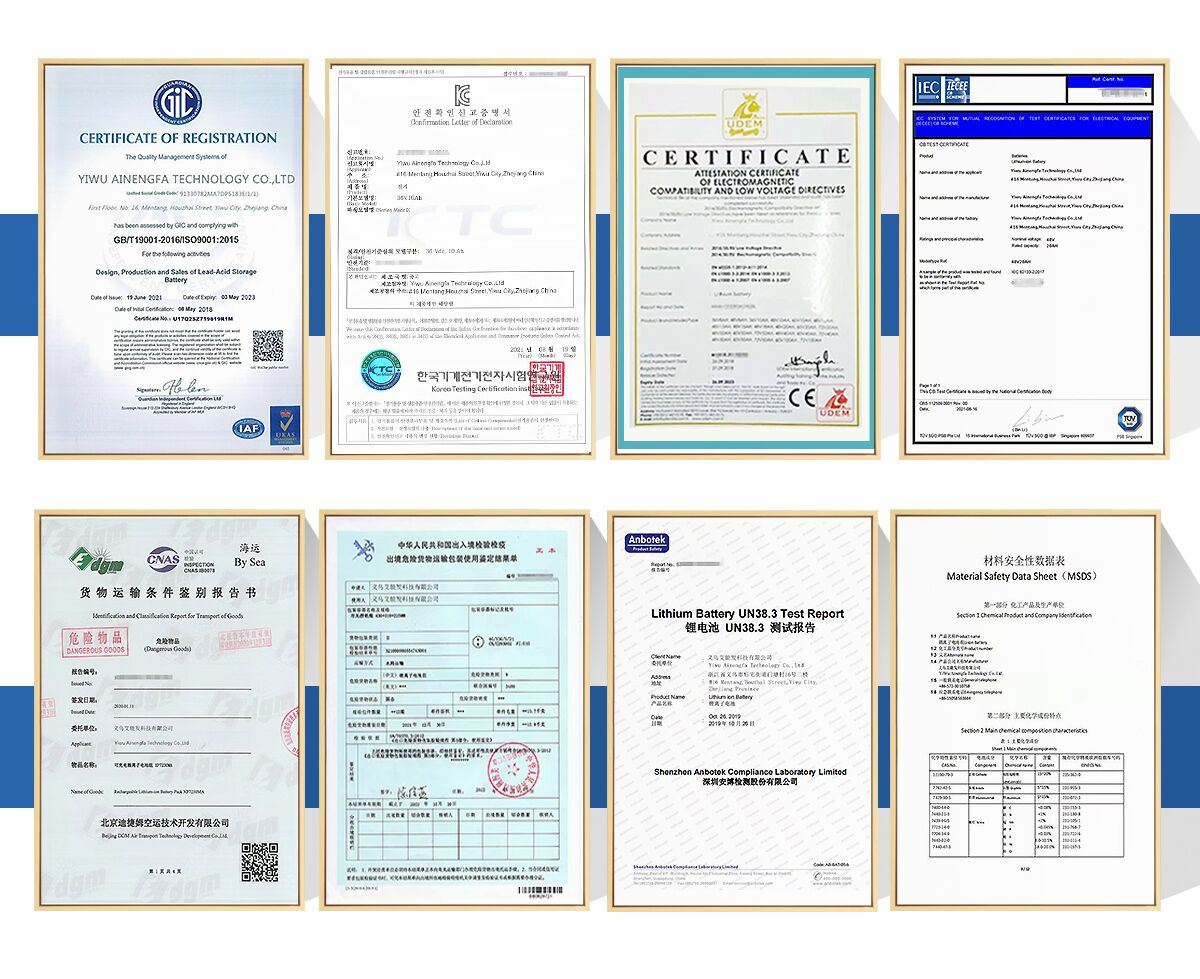
Adhere to the belief of "Safety first", we ensure that each of our product is safe and reliable to use. They comply with rohs, un, ul, ce, kc, fcc, pse,ce,un38.3,msds,safety package certificate, as well as other safety certification.
We have accumulated years of experience in safety production of lithium-ion battery, obtained many patents in the production, battery materials and battery safety technology of the lithium-ion battery.
FAQ
As one of the most professional electric vehicle lithium ion battery manufacturers in China, we're featured by quality products and good service. Please rest assured to buy customized electric vehicle lithium ion battery at competitive price from our factory. For more information, contact us now.
wind energy battery storage, wearable rechargeable battery