Lithium Solar Cells Explained
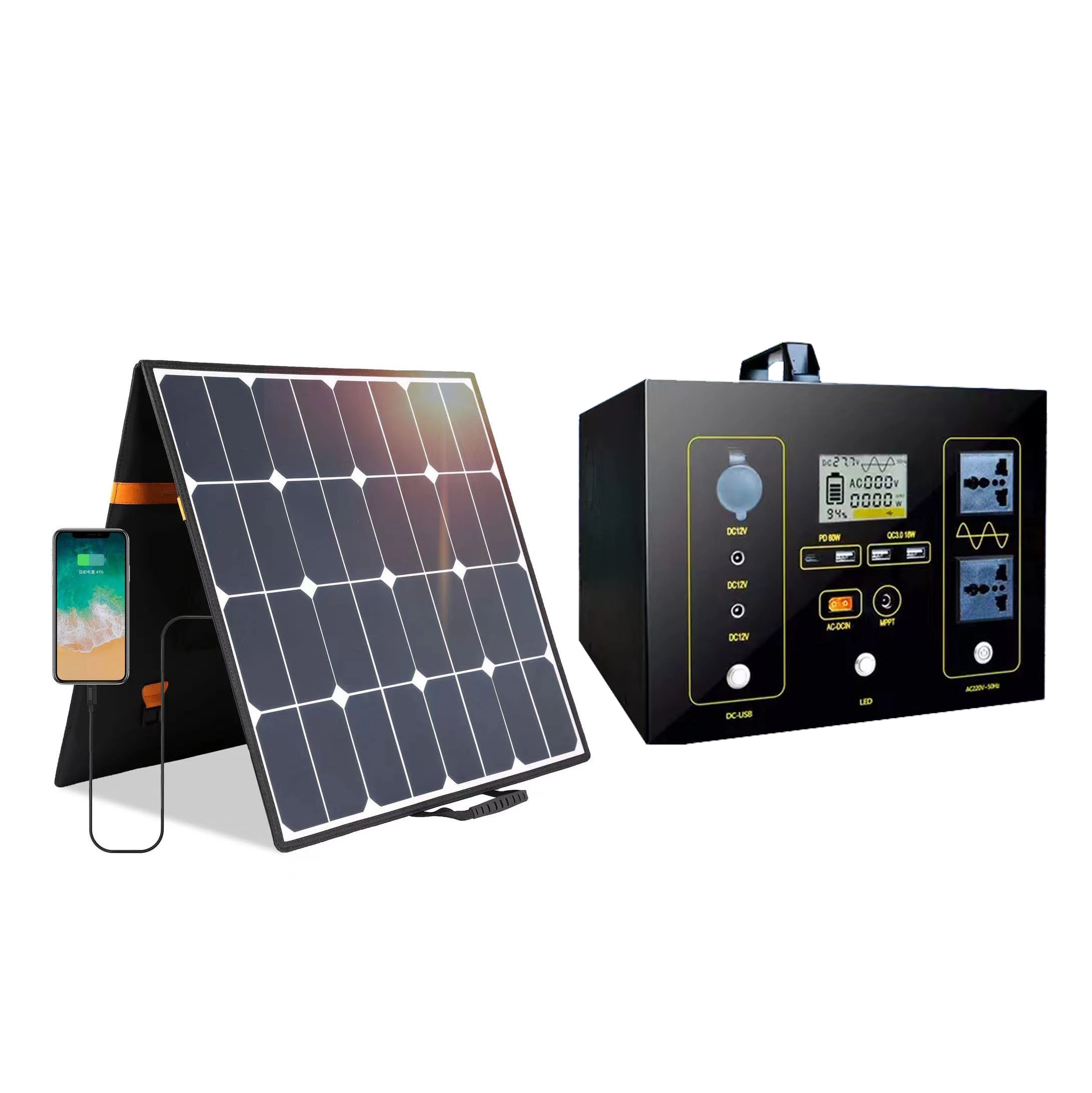
Solar cells capture the energy emitted by the sun's rays. This energy can power your home and appliances whenever the sun is shining. However, if you want to store excess energy for use at night, you need a storage medium.
Solar cells store electricity used during the day so you can use it later. There are several types of solar cells on the market...
Lead-acid batteries
Lead-acid batteries are the most common and cheapest type of battery. They are the type of battery in your car.
Lead-acid batteries consist of a grid of electrodes, which contain lead oxide. When charging, the lead oxide changes its chemical composition through the diluted sulfuric acid electrolyte.
Lead-acid batteries have a renewable energy storage problem. The biggest problem is that storage efficiency decreases over time. With continued use, the lead oxide electrodes start to flake off, sacrificing storage capacity.
Nickel Cadmium (NiCd) Batteries
Nickel and cadmium cells, or NiCd cells, are very efficient but expensive to manufacture. These batteries provide a constant rate of power discharge that does not drop until the charge is complete.
They are commonly used in hospital emergency lighting, backup power units and security power. The downside of renewable energy storage is that NiCd batteries lose power during charging. The faster the battery charges, the less excess power is lost in the process.
The storage efficiency of NiCd batteries is between 60% and 80%. NiCd uses a non-standard voltage for charging, making it difficult to pair with your solar inverter.
Nickel-iron (NiFe) batteries
Nickel-iron batteries, or NiFe, are not suitable for solar energy storage. These batteries lose as much as 50% of their storage efficiency due to their high discharge rates. For solar systems, this storage medium can reduce your energy efficiency by up to 25%.
While NiFe cells are not ideal for solar energy storage, they are good for other renewable energy uses.
Nickel-iron batteries are also known as Edison batteries. They have a long life and are extremely resistant to temperature differences and physical stress. This battery type is used in mining and locomotives and is resistant to breakdowns caused by strong vibrations.
Nickel-iron batteries are being developed for use in hydrogen fuel cell powered vehicles.
Lithium-ion (Li-ion) batteries
Lithium-ion or lithium-ion batteries are best for storing excess solar energy. Unlike lead-acid and nickel-iron batteries, lithium-ion batteries have a very low self-discharge rate. Therefore, the storage capacity remains constant throughout the life of the battery.
Another benefit of lithium-ion batteries is that they are lighter than the competition and have a longer cycle life. Lithium-ion batteries are typically guaranteed to last up to 1,000 cycles before the cell efficiency drops.
Due to their cost-effectiveness and high-performance qualities, lithium-ion batteries are well suited for the commercial and residential solar markets. So much so that Elon Musk designed the Tesla Power Wall around lithium-ion batteries.