


EneSupFar® :Your Trustworthy Other Lithium Ion Battery Supplier
Chaoneng Energy(Yiwu) Co., Ltd. is a green energy enterprise integrating independent research and development, production and sales of lithium-ion battery modules. After years of development, we are at the top of the industry in terms of product performance, technological innovation and all-round services. We have multiple lithium battery pack production lines equipped with advanced production equipment and assembly equipment. Our team has a large number of experienced personnel who can ensure the high quality of the products.
Rich Experience:The company was established in 2022, but started export business in 2005. So far, our technical team has been developing lithium batteries for more than 10 years, while the sales department has been exporting batteries for more than 15 years and lithium batteries for more than 6 years.
Broad Market:Our products have been exported to many countries and have won widespread praise and trust from customers. We also have in-depth cooperation with large lithium battery companies such as CATL, BYD, and Guoxuan High-Tech.
Wide Range of Products:The company mainly produces lithium-ion batteries, including iron phosphate (LiFePO4/LFP) batteries, ternary lithium-ion battery packs (NMC) and LTO lithium batteries. We can also produce lithium batteries in various configurations on demand to provide customers with personalized choices.
Leading Service:We complete the R&D, production, marketing, sales and technical support processes independently. Whether you want to buy batteries of any shape or material, or battery packs of different structures and sizes, you just need to send your requirements via email and we can customize the product for you, and we also accept OEM customization.
Related Product Introduction
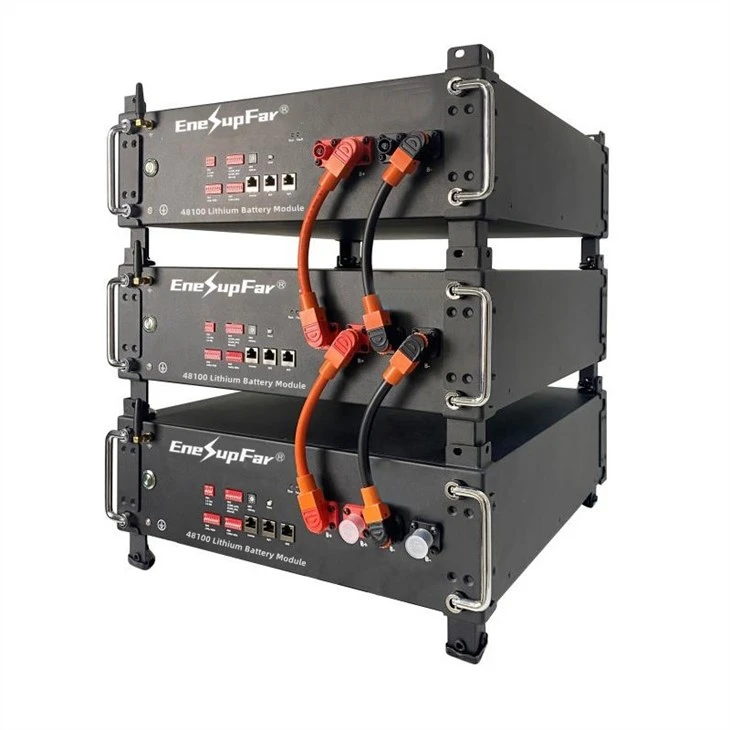
48V50AH Lithium Battery Module
The 48V50AH Lithium Battery Module is a battery module composed of multiple lithium-ion battery cells, which is commonly used in electric vehicles, solar energy storage systems, and UPS applications. It operates and charges less efficiently than traditional lead-acid batteries, yet can perform the same level of work throughout the day and can easily be expanded to a variety of applications because of its small size.
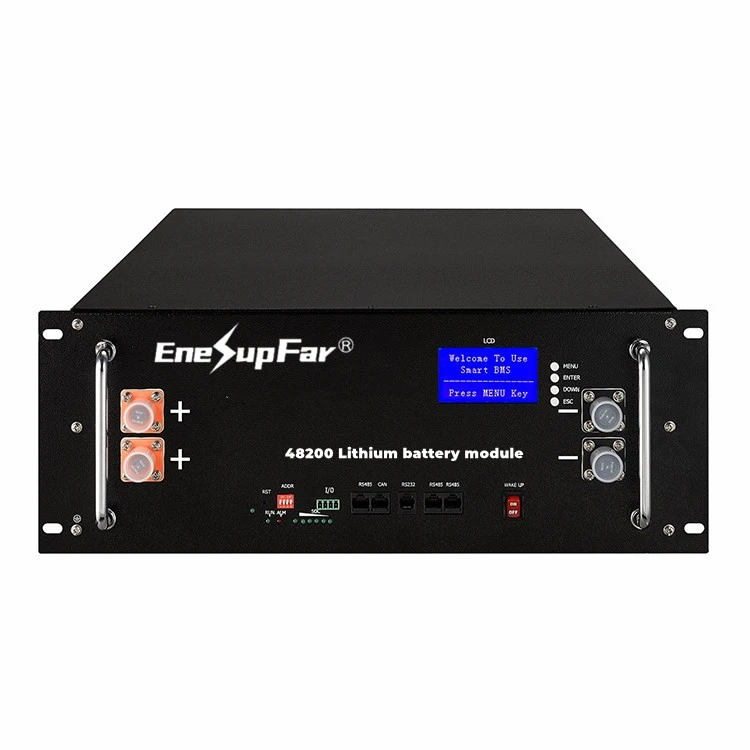
48V200AH Solar Lithium Battery Module
The 48V200AH Solar Lithium Battery Module is a lithium-ion battery module with solar charging function, which can store excess solar energy for use at night or in low light. It consists of multiple nested battery cells with a rated voltage of 48V and a capacity of 200AH, capable of deeply discharging batteries at high rates while maintaining high energy capacity. Compared with ordinary batteries, its lithium battery provides more than 6,000 cycles, provides a higher charging life with its low internal resistance.
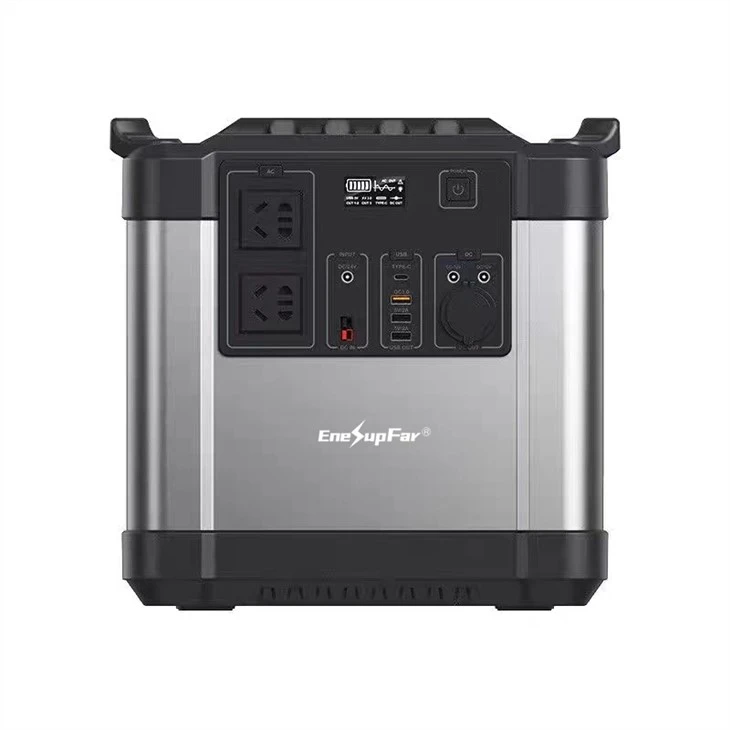
This 2000W Portable Battery Supply is a device designed to provide up to 2000 watts of power to a variety of electronic devices and appliances. It is made of lithium cobalt oxide, lithium manganate, and ternary materials, with graphite negative electrode and the solid polymer electrolyte positive electrode material.
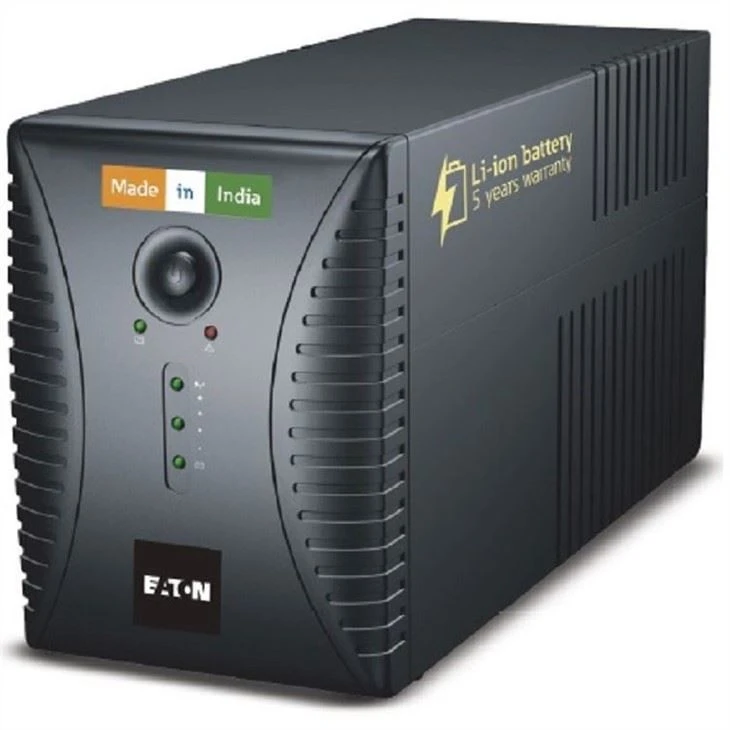
UPS Energy Storage Lithium Battery
The UPS Energy Storage Lithium Battery is a rechargeable battery used as a backup power source in an uninterruptible power supply (UPS) system. The battery is made from lithium-ion cells, which are lighter and more compact than traditional lead-acid batteries and have much faster charging times. It is suitable for computers, electronic devices and home appliances and can store large amounts of electricity and power electronic devices during power outages.
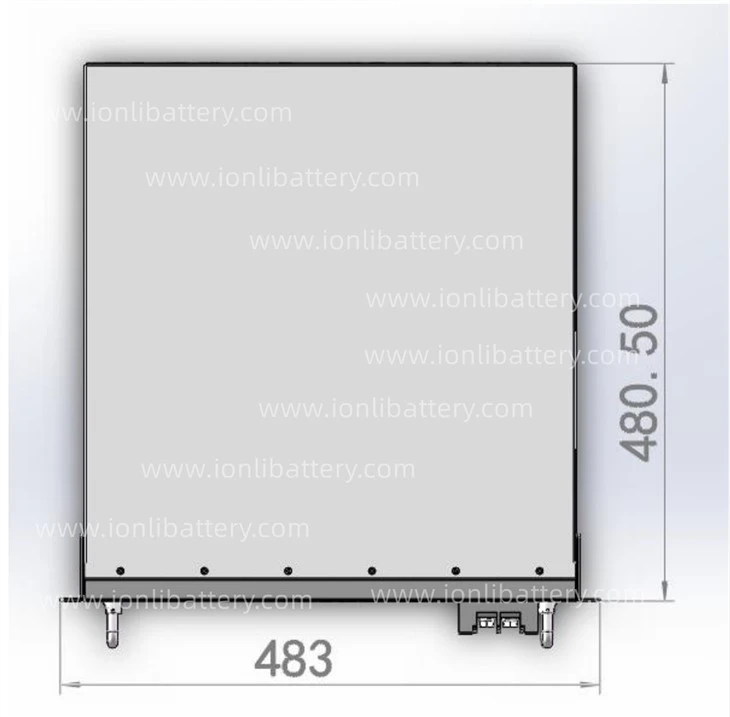
48V100AH LiFePO4 Solar Panel Lithium Battery
48V100AH LiFePO4 solar panel lithium battery is specially designed for solar storage systems, equipped with LiFePO4 lithium battery, which provides flexible charging and deeper discharge cycles without causing damage. Its battery chemistry outperforms lead-acid and other lithium batteries, lasting 3000-5000 deep discharge cycles and retaining over 80% of original capacity when not in use for extended periods of time.
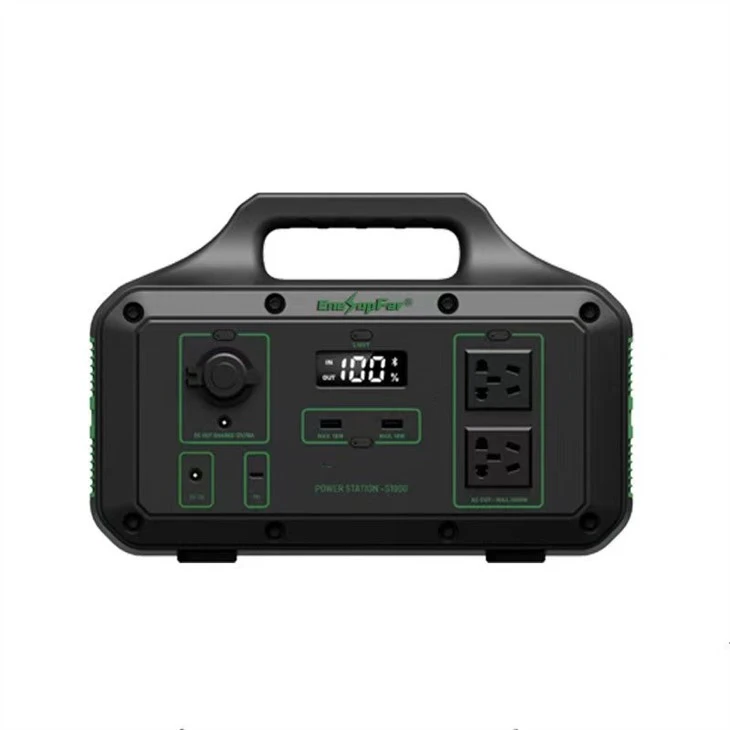
Portable Battery Power for Outdoor Use
An outdoor portable battery power source is a power source that can power outdoor appliances and equipment without the need for an electrical outlet. It charges via an AC adapter or solar panel and can be easily carried in a backpack or car trunk when outdoors.
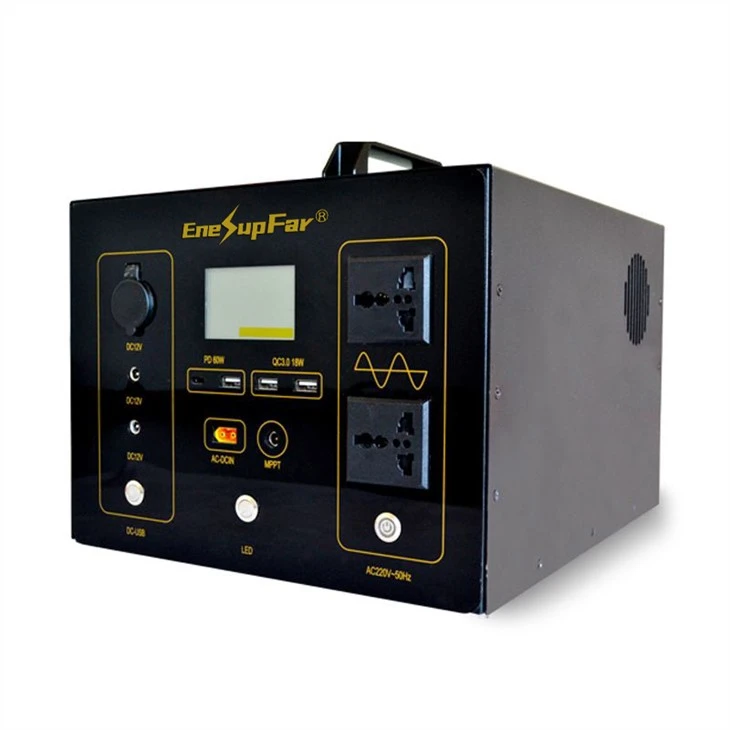
The 2000W Outdoor Power Supply is a solar lithium battery power supply for outdoor places, with 2000W output power and a variety of charging ports. The battery can power small devices, including lights, fans and charging cars, but is not powerful enough to power high-power devices. It is equipped with foldable solar panels with a large expansion area, which can quickly convert solar energy into electrical energy for use by various devices.
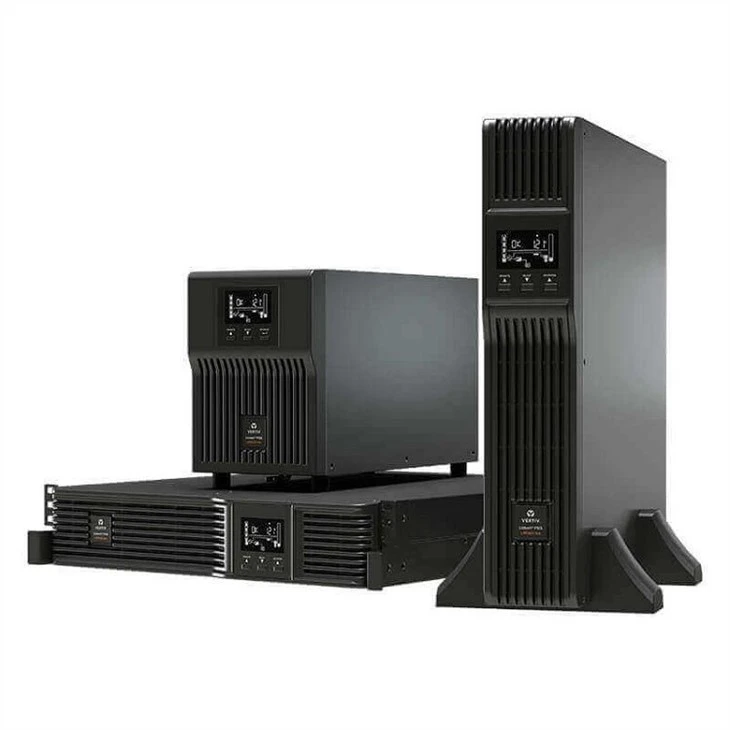
Telecom Backup Lithium Battery
The Telecom Backup Lithium Battery is used to provide backup power for telecommunications equipment during power outages or other emergencies. It has a 3200mAh capacity and can provide 3.2A hours of power, which can work for a considerable time even with large currents. At the same time, the battery has a variety of charging options and interfaces, and is compatible with a variety of communication equipment including smart surveillance, telecommunications towers, etc., to provide power support for your electronic products.
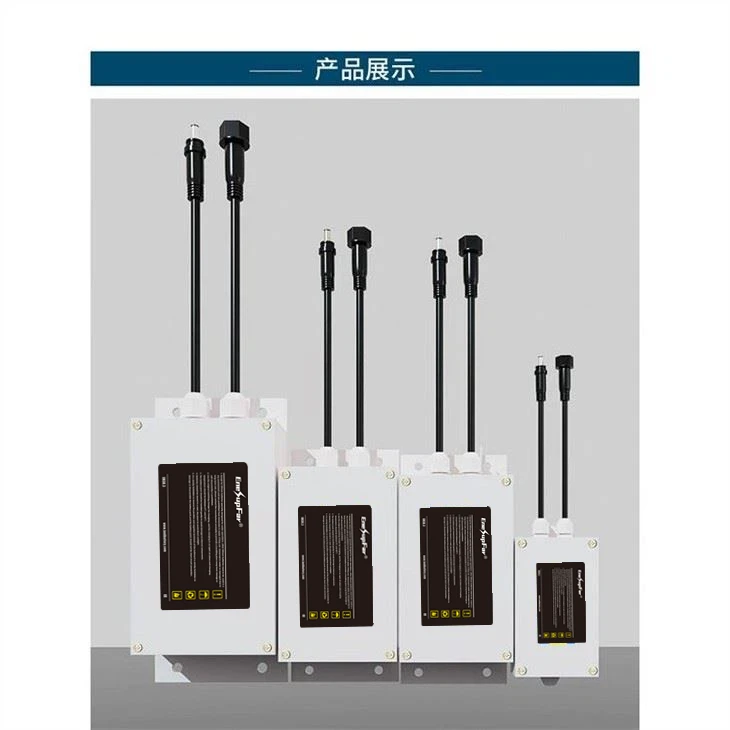
The Solar Street Light Li Battery is a lithium-ion battery using LiFePO4 as the positive electrode material and carbon as the negative electrode material. Together with outdoor street lights, it uses solar energy to provide you with bright, reliable lighting year-round. This lithium battery is equipped with an optoelectronic semiconductor chip that can quickly absorb sunlight during the day and store it, releasing energy at night to power solar street lights, ensuring reliable and sustainable lighting throughout the night.
What is Portable Power Supply
Portable Power Supply (PPS) is an electronic device that can provide electrical energy to various electronic devices. It is a battery-powered device that is designed to be easy to carry around, making it ideal for use in situations where there is no access to a conventional power source. PPS are essentially rechargeable batteries that come with a range of charging ports for different types of devices.
Portability
One of the most significant advantages of portable power is its portability. As the name suggests, these power supplies are designed to be lightweight and compact, making them easy to carry. You can easily throw them into your backpack while hiking or throw them into your luggage when traveling.
Battery Capacity
The battery capacity of a portable power source determines how long its power lasts. Battery capacity also determines how many devices it can charge at the same time. When choosing a portable power supply, consider your power consumption needs to get one with the right battery capacity.
Various Outputs
Portable power supplies come with multiple output ports, allowing you to charge different devices at the same time. Some models have AC outlets that allow you to plug in your laptop, while others have USB ports that allow you to charge your smartphone or tablet. Look for models with multiple output ports to suit your charging needs.
Chargeable
Portable power supplies are rechargeable, which means you can use them multiple times. Some models have a built-in battery that can be charged via a wall outlet or USB port. Other devices can be charged using the solar panel, making it ideal for outdoor use.
LCD
Some portable power supplies have LCD displays that show remaining battery life, charge status, and output voltage. This feature makes it easy to track your power consumption and ensure your devices are charging properly.
Security Features
Portable power supplies come with safety features to protect your devices from overcharging, short circuiting, and overheating. Look for models with built-in safety features such as voltage protection, temperature protection, and overcurrent protection.
Durability
Portable power supplies are often used in harsh environments; therefore, they are able to withstand harsh weather conditions and occasional drops. Look for models made from durable materials like aluminum, reinforced plastic, or rubber.
Scalability
Some portable power supplies have the option to add expansion packs to increase battery capacity. This is especially useful for people who need more power for longer trips or who have multiple devices to charge.
Power Banks
Power banks are the most commonly used portable power supply. They are small, portable and can fit in your pocket. These devices usually have a built-in rechargeable battery that can charge your phone multiple times. They come in different sizes and capacities, ranging from 2,000 mAh to 20,000 mAh and beyond. Some power banks also come with additional features such as LED flashlights, wireless charging, and fast-charging capabilities.
Solar Power Banks
Solar power banks are similar to regular power banks, but they come with a built-in solar panel to charge the battery using sunlight. These devices are ideal for outdoor use and emergency situations. Some solar power banks also come with a USB port, allowing you to charge your phone while the power bank is being charged by the solar panel. However, charging times can be longer compared to regular power banks, and they may not be an ideal solution for frequent charging needs.
Portable Battery Packs
Portable battery packs are larger and more powerful compared to power banks. They are designed to provide power to larger devices such as laptops, cameras, and portable speakers. They come in different sizes and capacities, ranging from 10,000 mAh to 50,000 mAh. They usually have multiple USB ports, allowing you to charge multiple devices at once. Some portable battery packs also come with built-in AC outlets, allowing you to power devices that require higher voltages.
Portable Solar Panels
Portable solar panels are designed to convert sunlight into electricity. They are ideal for camping, hiking, and other outdoor activities. Portable solar panels are available in different sizes and power ratings. They can be used to charge portable battery packs and power banks, ensuring that you have power even when you're away from a power source.
Power Stations
Power stations are larger and heavier compared to other portable power supplies. They are designed to provide power for several devices and for extended periods of time. They come with multiple AC outlets, USB ports, and DC ports, allowing you to power devices such as TVs, refrigerators, and power tools. Some power stations also come with built-in solar panels and can be charged using sunlight.
Battery Capacity
The battery capacity of a portable power source is an important factor in determining its usage time and power. Typically, capacity is expressed in mAh units. Larger battery capacity provides longer use time. Therefore, if you need a power supply that stays outdoors for a long time, you need a high-capacity power supply. However, a high-capacity power supply will increase its size and weight, so you need to choose the right power supply.
Number of Ports
When choosing a portable power supply, you need to consider the devices it will be used on and the charging ports it will require. You need to make sure the power supply has ports to charge the devices you need. For example, if the device you are using has a USB C interface, then you need to choose a power supply with a USB C port. Additionally, you also need to consider the number of ports for your power supply. Some power supplies have multiple ports that can charge multiple devices at the same time, making them more convenient than single-port power supplies.
Output Power
Output power is an important factor in portable power supplies. Different devices require different amounts of power to charge. Cell phones generally require lower power, while laptops require higher power. You need to choose a power supply with the appropriate power, otherwise it will not charge the device. If you have multiple devices that need to be charged, you may want to consider purchasing a power supply that can handle the power needs of multiple devices.
Weight and Volume
The weight and volume of a portable power supply is another important aspect that needs to be considered based on usage scenarios and personal preference. If you need to carry a power supply with you constantly, then you need to choose a power supply that is lightweight and compact. However, small power supplies may not have high capacity or output power, so there is a balance to be made when choosing.
Rated Voltage
Rated voltage refers to the voltage required by the power source itself for charging and for power connections between charging devices. It must be ensured that the rated voltage of the power supply matches the rated voltage of the charging device. Otherwise, the power supply will fail to charge the device or may even damage the device.
Price
The final factor is the price of the power supply. Portable power supplies vary in price depending on brand, capacity, and wattage. Different makes and models of power supplies offer different features and performance. When choosing a power source, you need to choose the right one based on your personal financial situation.
Benefits of Using Portable Power Supply
Versatility and Compatibility
Another significant advantage of portable power stations is their compatibility with many devices. Our power stations each come with 8 to 13 output ports to support different electronic devices, making them an efficient and versatile companion on your travels, or as an essential part of your home, car or even boat emergency kit.
Cost effective Solution
Despite their advanced features, portable power stations are still a cost-effective energy solution. Especially considering that the power station is a portable all-in-one device equipped with smart, lightweight lithium batteries, battery management system, high-power inverter and high-end MPPT charge controller. They can provide large amounts of power at a relatively low cost, and because they can be charged and used indefinitely.

How to Use Portable Power Supply
Choose the Right Power Supply for your Needs
There are many types of portable power sources, such as solar power, lithium batteries, AA batteries, etc. Therefore, we should choose the appropriate power source according to our needs.
Charge and Store Power
Portable power supplies require periodic charging to ensure that they are available when needed. Before charging, turn off all devices and connections to avoid accidents.
Keep the Power Supply Clean
When using the power supply, keep it clean and avoid hitting or dropping it. Dust or other contaminants will affect the working effect of the power supply, and impact or falling may cause damage to the internal equipment of the power supply.
Correctly Connect Power and Equipment
The power supply needs to be properly connected to the device for optimal use. Some power supplies may require the use of an adapter to connect the device. During the connection process, be sure to pay attention to the polarity and voltage requirements of the power supply, otherwise it will cause damage to the device.
How to Maintain Portable Power Supply
Keep Clean
Dirt and dust can accumulate on the surface of the power supply, blocking ventilation and causing the device to overheat. Regular cleaning with a soft cloth will help ensure your equipment remains functioning properly.
Don't Overcharge
Overcharging a portable power source can damage the battery and shorten its life. Once the device is fully charged, be sure to unplug it and never charge it for longer than recommended.
Store Properly
When not in use, store the portable power supply in a cool, dry place. Exposure to extreme temperatures or moisture may cause damage to the battery or other components.
Avoid Drops or Impacts
Portable power supplies are not designed to withstand impacts or drops, so try to avoid accidental damage. Ship them safely in a padded box or bag.
Use the Correct Charger
Be sure to use only the charger that comes with the portable power supply. Using a different charger may damage the battery or even cause a fire.
Applications of Portable Power Supply
Camping and Outdoor Activities:One of the most popular applications of portable power supplies is for camping and other outdoor activities. These power supplies can be used to power lights, fans, portable stoves, and even charge electronic devices.
Emergency Preparedness:Portable power supplies are essential during emergencies and power outages. They can be used to power important appliances such as refrigerators, medical equipment, and communication devices. In addition, they can also be used to charge cell phones, laptops, and other electronic devices during extended power outages.
Traveling:Portable power supplies are ideal for travelers who rely on electronic devices such as laptops, cameras, and smartphones. They can be used to recharge these devices during long flights and car trips.
Construction Sites:Construction workers often work in remote areas without access to electrical outlets.
DC Output
In addition to AC outlets, some portable power supplies also have DC outputs, which can be used to power devices that require a DC power source. The most common DC output is a 12V car socket, which can power car appliances, such as car refrigerators, air compressors, and entertainment systems.
Display Screen
Many modern portable power supplies come with display screens that show the battery level, remaining charging time, and other useful information. The display screen is typically an LCD screen, and some devices may have touch screens for easier operation.
Inverter
An inverter is a component that converts DC power from the battery to AC power for the AC outlets. Portable power supplies with AC outlets have built-in inverters that convert the DC power to AC power with a certain level of efficiency. Inverters can vary in efficiency depending on their quality and wattage.
Protection Circuit
A protection circuit is a safety feature that prevents the portable power supply from overcharging, overheating, and short-circuiting, which can damage the device or pose a safety risk. The protection circuit typically consists of a combination of software and hardware components, such as temperature sensors, overcurrent protection, and voltage controllers.
Parts of Portable Power Supply
Battery
The battery is the heart of the portable power supply. It stores energy in the form of chemical reactions that can be converted to electrical energy when needed. Most portable power supplies use lithium-ion batteries, which are light, durable, and have a high energy density. The battery capacity is measured in watt-hours (Wh) or ampere-hours (Ah), and it determines how much energy the device can store and how long it can power a device.
Charging Port
The charging port is where the portable power supply is charged. Most devices use a USB port to charge, which allows them to be charged with a wide range of devices, including wall adapters, car chargers, or laptop USB ports. Higher-end portable power supplies may also have faster charging capabilities, such as USB-C with Power Delivery, which can charge devices at a higher speed.
AC Outlet
Some portable power supplies come with AC outlets, which allow them to be used to power appliances and other devices that require an AC power source. The AC outlets are usually rated for a specific wattage, and it is important not to exceed this limit to avoid damaging the device.
How to Install Portable Power Supply
Choose the Right Portable Power Supply
The first step in installing a portable power source is choosing a device that fits your power needs. Consider the capacity of the battery, the number of ports, and the types of ports available. Make sure the portable power supply has enough power to charge your device and support the required connections.
Charge Portable Power
Before installing a portable power supply, make sure it has enough power to power your devices. Charge the power supply using the supplied cable or charger. Depending on the device, a full charge may take several hours. Having a fully charged power source is crucial when you're away from a power source, as these devices are your only source of power.
Connect Your Device
Connect your device to a portable power source using the cable or connector provided. Many portable power supplies come with multiple ports so you can charge multiple devices at the same time.
Turn on Portable Power
After connecting the device, turn on the portable power source. Most power supplies have a power button or switch that you press to turn the device on. Once turned on, the power supply will begin charging your device.
Use Portable Power
Once the portable power supply is installed, you can use it to power your devices. You can charge your mobile devices, laptops, cameras, and other electronics anytime and anywhere without the need for a power outlet. When your device is fully charged, disconnect it from the power source.
Charge Portable Power
After using the portable power source, please use the provided cable or charger to charge it. This will ensure the device is fully charged and ready for use the next time you need it. Remember to store portable power supplies in a dry, cool place away from sunlight.
How to Use Portable Power Supply

Buy the Right Portable Power Supply For Your Device
Portable power supplies come in many different shapes and sizes and can provide different amounts of power. Therefore, you need to make sure that you choose a portable power supply that is suitable for your device and meets your needs. Generally speaking, you'll want to look at the battery capacity of your device to determine the size of your portable power supply you'll need. Your device will usually list details of its battery capacity; if you can't find this information, contact your device manufacturer for help.
Charge Your Portable Power Supply
Before heading out, make sure your portable power supply is fully charged. Please use some of the USB cables provided with your portable power supply to keep your power supply charged. Plug one port into your device's USB port and the other port into your portable power supply's USB port. Then wait a few hours until the power is fully charged. Once the power supply is full, you can use it with any device to charge them.
Connect Your Device to a Portable Power Supply
Once your portable power supply is fully charged, you can connect your devices to it. You can use your regular charging cable by plugging one port of the USB cable into your device and the other port into your power supply, or use another USB adapter cable. Please be careful not to exceed the rated output current of your power supply to avoid damage or overheating of your device.
Protect Your Portable Power Supply
Your portable power supply is an important investment, so make sure you take steps to protect it. Pack your portable power supply in a protective case to protect it from scratches and damage. Unplug your phone when it doesn't need to be charged. Do not place your power supply in high temperature or humid environments. Finally, follow the instructions given in your power supply's instruction manual.
Certificate

Frequently Asked Questions
Q: What is a portable power supply?
Q: What types of devices can be powered by a portable power supply?
Q: How long does a fully charged portable power supply last?
Q: What is the average weight of a portable power supply?
Q: What is the capacity of most portable power supplies?
Q: Can you recharge a portable power supply while in use?
Q: Is the portable power supply waterproof?
Q: How long does it take to fully recharge a portable power supply?
Q: Is it safe to use a portable power supply for charging devices?
Q: What are the different types of connectors used for charging devices?
Q: Can you use a portable power supply to start a car or power other heavy-duty equipment?
Q: What is the maximum output of a portable power supply?
Q: Can you use a portable power supply while travelling internationally?
Q: What is the operating temperature range for a portable power supply?
Q: Can you use a portable power supply in extreme weather conditions?
Q: What accessories are included with a portable power supply?
Q: How long does a portable power supply retain its charge when not in use?
Q: Are there any safety features built into portable power supplies?
Q: Can you connect multiple devices to a portable power supply at once?
Q: How does a portable power supply compare in performance and cost to other power sources such as generators or solar panels?
Hot Tags: portable power supply, China portable power supply manufacturers, factory


