


Microinverters come in several configurations. Broadly speaking, these configurations include:
One-to-one (single-module) microinverters: Each solar module has its own inverter – maximizing granularity and optimization.
Multi-module microinverters (two-in-one, four-in-one, etc.): A single inverter powers 2-4 modules. This reduces the total number of components and labor costs per watt while retaining many of the advantages of single-module optimization. This balance is often suitable for medium to large residential or small commercial rooftop PV arrays.
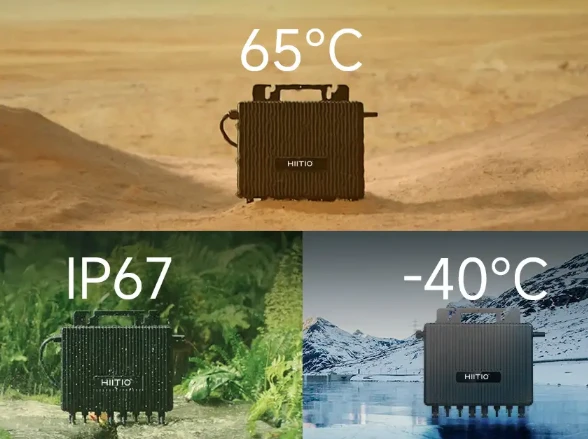
Hybrid/Multi-Level Power Optimizer (MLPE) combined systems: Microinverters or power optimizers can be combined with battery inverters or energy storage systems (AC-coupled) to provide flexible retrofit or upgrade options. Many modern solar + storage installations utilize this approach.
The specific choice depends on panel power, roof layout, project budget, and long-term maintenance strategy.
How to Choose: Which Inverter Architecture is Right for You?
When considering whether to use microinverters and which type to use, evaluating the following factors will be helpful:
Roof Characteristics and Shading
Complex roof structures, varying orientations, partial shading → Microinverters may offer benefits
Flat, uniform roofs with consistent sunlight → String inverters may be sufficient
Budget and Long-Term Value
If upfront cost is a limiting factor and roof conditions are ideal, string inverters are usually the best option.
If you anticipate higher yields, system expansion, or higher reliability requirements – microinverters will typically pay for themselves over their lifespan.
Panel Mix and Future Expansion Plans
Using panels of different power ratings or adding components later favors microinverter/MLPE designs.
If all solar panels are identical and the capacity is fixed, a simple inverter may suffice.
Maintenance, Monitoring, and Safety Preferences
Need for performance monitoring of each module, rapid fault isolation, or strict adherence to safety regulations → Microinverters are recommended
If ease of maintenance and minimizing rooftop wiring are priorities, then string inverters may be more convenient. Long-Term Durability and Warranty Expectations
High-quality microinverters can typically match the 20-25 year lifespan of solar panels (as indicated by industry guidelines).
Lower-priced or lower-quality microinverters, or installations in poorly controlled environments, may experience performance degradation or premature failure.


