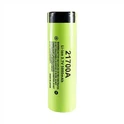
As a supplier of LiMn2O4 Li Ion Cells, I've witnessed firsthand the growing importance of recycling in our industry. LiMn2O4 Li Ion Cells are widely used in various applications due to their high energy density, long cycle life, and relatively low cost. However, improper disposal of these cells can lead to environmental pollution and resource waste. In this blog, I'll share some insights on how to recycle LiMn2O4 Li Ion Cells effectively.
Why Recycling LiMn2O4 Li Ion Cells Matters
Before delving into the recycling process, it's crucial to understand why recycling these cells is so important. LiMn2O4 Li Ion Cells contain valuable metals such as lithium, manganese, and cobalt. These metals are not only finite resources but also expensive to extract from the earth. Recycling allows us to recover these valuable metals and reuse them in the production of new batteries, reducing the need for mining and conserving natural resources.
Moreover, improper disposal of LiMn2O4 Li Ion Cells can pose a significant environmental risk. These cells contain toxic chemicals that can leach into the soil and water, contaminating the environment and harming human health. By recycling these cells, we can prevent these harmful chemicals from entering the environment and protect our planet for future generations.
The Recycling Process of LiMn2O4 Li Ion Cells
The recycling process of LiMn2O4 Li Ion Cells typically involves several steps, including collection, pre - treatment, and metal recovery.
Collection
The first step in the recycling process is to collect the used LiMn2O4 Li Ion Cells. As a supplier, we can play a crucial role in this step. We can establish a collection system where we encourage our customers to return their used cells to us. This can be done through various means, such as offering incentives or providing convenient collection points.
Once the cells are collected, they need to be transported to a recycling facility safely. During transportation, it's important to ensure that the cells are properly packaged to prevent short - circuits and other safety hazards.
Pre - treatment
At the recycling facility, the collected LiMn2O4 Li Ion Cells undergo pre - treatment. This step involves several sub - steps, including discharging, disassembling, and crushing.
- Discharging: Before disassembling the cells, they need to be fully discharged to prevent any potential safety issues. This can be done by connecting the cells to a discharging device that slowly drains the remaining charge.
- Disassembling: After discharging, the cells are disassembled to separate the different components, such as the cathode, anode, separator, and electrolyte. This is usually done manually or using automated machinery.
- Crushing: The separated components are then crushed into small pieces to increase the surface area for further processing. This makes it easier to extract the valuable metals from the cells.
Metal Recovery
The final step in the recycling process is metal recovery. There are several methods for recovering the valuable metals from the crushed LiMn2O4 Li Ion Cells, including pyrometallurgical, hydrometallurgical, and bio - metallurgical methods.

- Pyrometallurgical Method: This method involves heating the crushed cells at high temperatures in a furnace. The high temperature causes the metals to melt and separate from the other components. However, this method requires a large amount of energy and can produce harmful emissions.
- Hydrometallurgical Method: In this method, the crushed cells are leached with chemicals to dissolve the metals. The dissolved metals are then separated and purified using various techniques, such as precipitation and solvent extraction. This method is more environmentally friendly than the pyrometallurgical method but requires careful control of the chemical reactions.
- Bio - metallurgical Method: This is a relatively new method that uses microorganisms to extract the metals from the cells. The microorganisms break down the metal - containing compounds and release the metals into the solution. This method is environmentally friendly and has the potential to be more cost - effective in the long run.
Challenges in Recycling LiMn2O4 Li Ion Cells
Despite the many benefits of recycling LiMn2O4 Li Ion Cells, there are also several challenges that need to be addressed.
- Cost: The recycling process can be expensive, especially when it comes to the pre - treatment and metal recovery steps. The high cost of recycling can make it less attractive for some companies and consumers.
- Safety: LiMn2O4 Li Ion Cells are potentially dangerous, especially if they are not handled properly. During the recycling process, there is a risk of short - circuits, fires, and explosions. Therefore, strict safety measures need to be in place to ensure the safety of the workers and the environment.
- Regulatory Compliance: Recycling LiMn2O4 Li Ion Cells is subject to various regulations and standards. These regulations can vary from country to country, making it difficult for recycling companies to operate on a global scale.
Solutions to the Challenges
To overcome these challenges, several solutions can be implemented.
- Cost - Reduction: Recycling companies can invest in research and development to find more cost - effective recycling methods. For example, they can develop new technologies that require less energy and fewer chemicals. Additionally, governments can provide financial incentives, such as subsidies or tax breaks, to encourage recycling.
- Safety Improvements: Recycling facilities need to implement strict safety protocols to prevent accidents. This includes providing proper training for workers, using appropriate safety equipment, and conducting regular safety inspections.
- Regulatory Harmonization: Governments and international organizations can work together to harmonize the regulations and standards for recycling LiMn2O4 Li Ion Cells. This will make it easier for recycling companies to operate across different countries and promote the global recycling of these cells.
Applications of Recycled LiMn2O4 Li Ion Cells
The recycled LiMn2O4 Li Ion Cells can be used in a variety of applications. For example, the recovered metals can be used to produce new LiMn2O4 Li Ion Cells, LTO Li Ion Cell, or LiFePO4 Li Ion Cell. These new cells can be used in Portable Power Supply, electric vehicles, and other electronic devices.
Conclusion
Recycling LiMn2O4 Li Ion Cells is not only environmentally responsible but also economically viable. As a supplier of these cells, I believe that we have a responsibility to promote recycling and ensure that our products are disposed of properly. By implementing effective recycling methods and addressing the challenges, we can make a significant contribution to the sustainable development of the battery industry.
If you are interested in purchasing LiMn2O4 Li Ion Cells or have any questions about recycling, please feel free to contact us for further discussion. We are always ready to provide you with high - quality products and professional services.
References
- Dunn, B., Kamath, H., & Tarascon, J. M. (2011). Electrical energy storage for the grid: A battery of choices. Science, 334(6058), 928 - 935.
- Xu, K. (2004). Nonaqueous liquid electrolytes for lithium - based rechargeable batteries. Chemical reviews, 104(10), 4303 - 4418.
- Zhang, J. - G. (2006). A review on electrolyte additives for lithium - ion batteries. Journal of power sources, 162(2), 1379 - 1394.